Home Blog Page 3

Museveni Woos Tourism Investors, Emphasizes Agro-processing

0
Yoweri Kaguta Museveni
FILE PHOTO: Uganda's President Yoweri Museveni speaks during a Reuters interview at his farm in Kisozi settlement of Gomba district, in the Central Region of Uganda, January 16, 2022. REUTERS/Abubaker Lubowa

Uganda’s tourism and agro-processing potential, in addition to tough measures against poaching, make the country a goldmine for investors, President Yoweri Museveni has said.

At the sidelines of The Giants Club Summit, Museveni assured potential investors that all Ugandas national parks and game reserves are safe while the government has done all it take to halt poaching.

In Nairobi, the president met a group of investors in Uganda’s tourism sector led by Dr. Max Graham the founder and Chief Executive Officer of Space for Giants an organization dedicated to conservation of the African elephants.

The Giants summit a special tourism conservation meeting convened to draw strategies to counter poaching and safeguard the elephants.

Graham and his team told the President that they interested in investing in tourism conservation, eco-tourism, education and promotion of agriculture and agro-processing.

Museveni appealed to them to take advantage of the big potential of the country’s agricultural sector and invest in the agro-processing industry noting that the country has continued to export unprocessed agricultural products due to lack of enough investors in the sector.

He particularly appealed to them to come and invest in the processing of fruits; cereals, leather, bananas and the mining sector and assured them of the government support and cooperation.

MPs & NFA Disagree over Hoima Forest Boundary Opening

0

Divergences erupted between Bugahya County Member of Parliament Pius Wakabi and the National Forestry Authority (NFA) over the Boundary opening of Kandanda Ngobye Forest Reserve land in Buraru sub-county, Hoima district.

Last week Bunyoro Kitara Kingdom, Hoima district security committee and NFA kicked off the Boundary opening exercise of reserve hill land measuring 2,556 hectares located in Buhanika, Kyabigambire and Buraru sub-counties.

However, on Tuesday, Wakabi convened a meeting to pursue residents’ interests who petitioned him to protest against the exercise.

The meeting was held at Bararu Health Centre III which made the residents worried that the exercise would be the beginning of grabbing their land.

Michael Kasangaki, a resident of Buraru village, accused the NFA staff of carrying out the exercise of going beyond the original boundaries.

He added that they are opening the boundary without involving the residents to guide them where the original boundary passes.

Kasangaki said they have been occupying the land for years adding that they have nowhere to go and demanded the reserve be degazetted and left for the settlement of people.

Ben Kirungi, a resident of Kikara Village, said there was no need to open the boundaries for the land occupied by people adding the opening of the boundary may result in their eviction.

He noted that by the time it was gazetted as forest reserve land, people were few in the area, but now, the entire area is occupied and demanded exercise to be stopped.

Robert Mwanga, the Buraru sub-county chairperson, said Bunyoro Kitara Kingdom allowed NFA to open boundaries without engaging her subjects.

He said that as kingdom subjects, they expected the kingdom to engage them before anybody did anything on this land.

He noted previous years, the Kingdom wrote to them assuring them that the land belonged to the kingdom and there was no one to interfere with the residents and wondered how the kingdom had charged

Honorable Wakabi wants the exercise stopped, while reacting to the people’s concerns, explained that the exercise started before engaging him as an area MP.

He noted that land law gives a Kibanja holder a right on the land and that it was unfair to start opening the boundaries without the consent of the residents.

It is from this point that he ordered that the opening of the boundary stop until they engage with Bunyoro Kitara Kingdom, Hoima district security committee and other stakeholders.

He promised the meeting will be organised on Monday next week and ordered NFA officials not to continue with the exercise.

“I am the supervisor of all government programmes; I also supervise the RDC’S work in my constituency. So, I ask you to respect my order, do not use force because you have guns and respect the views of the people”

Boaz Basigirenda, the NFA Budongo range manager said before the opening of the boundary they engaged with the Kingdom and the kingdom offered them a letter okaying the opening of the boundary.

He insisted the opening of the boundary is not intended at evicting the occupants on the land adding that the exercise aims at knowing where NFA land starts and ends. He expressed dismay about the MP’s orders, which according to him, are politically motivated.

He noted they were going to sit with the district security committee to discuss how to handle the matter to ensure that they continue with the exercise adding the MP has no mandate to stop the exercise.

The Murder of Dian Fossey: A Tragic Loss in Gorilla Conservation

0
Dian Fossey Tomb

The murder of Dian Fossey in December 1985 shocked the world and dealt a severe blow to the conservation community. Fossey was an American primatologist and conservationist who dedicated her life to studying and protecting mountain gorillas in Rwanda’s Volcanoes National Park. Her brutal and untimely death not only silenced a passionate advocate for these endangered animals but also exposed the dangers faced by individuals committed to environmental preservation. This essay explores the life and work of Dian Fossey, the circumstances surrounding her murder, and the impact her death had on gorilla conservation efforts.

  1. Dian Fossey: A Life Devoted to Gorilla Conservation

Early Life and Introduction to Primatology

Dian Fossey was born on January 16, 1932, in San Francisco, California. While she initially pursued a career in occupational therapy, her love for animals, especially gorillas, led her to change course. Inspired by the work of renowned primatologist Dr. Louis Leakey, Fossey embarked on a journey that would define her life. She began studying gorillas in 1963, initially in the Democratic Republic of Congo (then Zaire) and later in Rwanda.

Karisoke Research Center and Gorilla Conservation Efforts

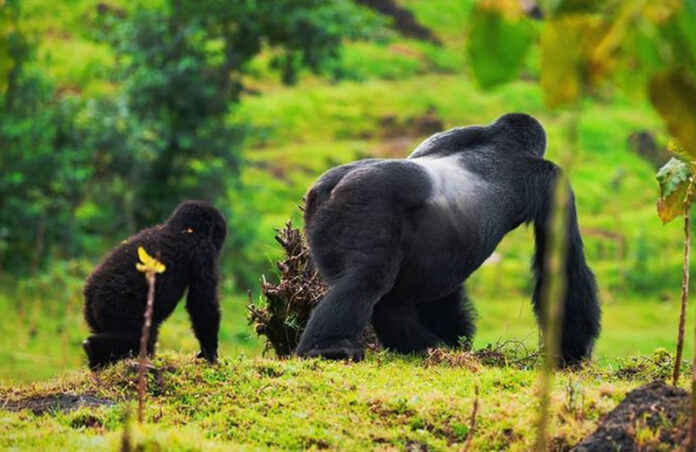
In 1967, Fossey established the Karisoke Research Center in the Virunga Mountains of Rwanda. This research facility became her base for studying mountain gorillas up close, collecting data on their behavior, and conducting pioneering research on their social structure. Fossey’s groundbreaking work revealed the complex lives of gorillas and brought attention to the threats they faced due to habitat loss and poaching.

Fossey’s Battle Against Poaching

One of the main challenges Fossey encountered during her research was the rampant poaching of gorillas for their body parts and the illegal wildlife trade. Fossey became an ardent anti-poaching activist, employing a hands-on approach to protect the gorillas she loved. Her actions included destroying poachers’ traps, confiscating snares, and working with local communities to raise awareness about the importance of gorilla conservation.

  1. The Murder of Dian Fossey

The Events Leading to Fossey’s Murder

Fossey’s unyielding dedication to gorilla conservation often put her at odds with poachers, local authorities, and individuals involved in the illegal wildlife trade. She received numerous threats and experienced harassment, which escalated in the months leading up to her murder. Fossey’s murder was not an isolated incident but rather the culmination of a series of confrontations and escalating tensions.

Investigation and Speculations

Following Fossey’s murder on December 26, 1985, an investigation was launched. While the case remains officially unsolved, there have been various speculations about the identity of the perpetrator(s). Some theories suggest the involvement of poachers or individuals associated with the illegal trade in gorilla parts. Others point to potential conflicts within the Rwandan government or even personal disputes with individuals residing in the local community.

Legacy and Impact on Conservation Efforts

The murder of Dian Fossey not only claimed the life of a remarkable scientist but also had a profound impact on gorilla conservation efforts. Her death created an international outcry, shedding light on the risks faced by conservationists working in remote and dangerous environments. Fossey’s story drew attention to the urgent need for increased protection measures for endangered species and prompted renewed efforts to combat poaching and habitat destruction.

III. Continuing the Gorilla Conservation Legacy

Posthumous Influence on Conservation Movements

Despite her tragic end, Dian Fossey’s legacy continued to inspire others to join the fight for gorilla conservation. Her work, as documented in her book “Gorillas in the Mist” and the subsequent film adaptation, reached a wide audience and generated public support for protecting these magnificent creatures and their habitats.

The Dian Fossey Gorilla Fund International

Following Fossey’s death, the Dian Fossey Gorilla Fund International was established in her memory. This organization continues her work by supporting gorilla research, anti-poaching initiatives, community outreach programs, and education efforts. The fund’s work highlights the importance of engaging local communities in conservation and fostering sustainable practices to protect gorillas for future generations.

Successes and Ongoing Challenges

Since Fossey’s murder, gorilla populations in the Virunga Mountains have shown signs of recovery, thanks in part to increased protection efforts and conservation interventions. However, challenges such as habitat degradation, climate change, and the persistent threat of poaching remain significant obstacles in the ongoing battle to safeguard these critically endangered animals.

The murder of Dian Fossey was a tragic loss not only for the field of primatology but also for the global conservation movement. Fossey’s unwavering dedication to studying and protecting gorillas, despite the risks and dangers she faced, remains an inspiration to conservationists worldwide. Her murder shed light on the perilous conditions faced by those working on the frontlines of environmental protection. It also emphasized the urgent need for international collaboration, increased protection measures, and community engagement to ensure the survival of endangered species like the mountain gorillas. Fossey’s legacy lives on through the work of the Dian Fossey Gorilla Fund International and the countless individuals who continue to fight for the conservation of these remarkable creatures. In honoring Fossey’s memory, we must strive to protect the biodiversity of our planet and preserve the delicate balance of nature for future generations

Mount Elgon Gets UNESCO Biosphere Reserve Status

0

UNESCO has designated Mount Elgon conservation area as one of the ten new biospheres reserves in the world.

According to a UNESCO statement, Mount Elgon shared between Uganda and Kenya joins the 748 sites in 134 countries, including 23 transboundary sites.

The Director-General of UNESCO said that biosphere reserves are tangible proof that humanity can live in balance with nature. “Since 1971, this community-led program has successfully found a model for development where people live well and biodiversity is respected. I am pleased that this year, 11 more sites are joining this powerful network, which is more relevant and necessary than ever,” said Audrey Azoulay in a statement on Wednesday

The additions of Mount Elgon was decided by the International Coordinating Council of UNESCO’s Man and the Biosphere (MAB) programme, the Programme’s governing body composed of 34 UNESCO Member States. It met from 12 to 15 June at UNESCO’s headquarters.

Biosphere Reserve is an area where locals work with biodiversity and its sustainable use. They are designated by UNESCO in consultation with host governments. For an area to be designated, the government must affirm conservation protecting, wildlife, habitats, and the environment among others.​

The designation of the Mount Elgon Transboundary Biosphere Reserve consolidates the water tower functions of the Mount Elgon Biosphere Reserve in Kenya since 2003.

And the Mount Elgon Biosphere Reserve in Uganda, the areas provides a range of ecosystem functions and supports forests, wildlife, and livelihoods in the area.

Mount Elgon Biosphere Reserve is home to over 300 bird species and has an exceptional diversity of ecosystems as well as plant and animal species distributed across four distinct ecological zones characterized by different vegetation types like the mixed montane forest, bamboo and low canopy forest, sub-alpine montane heath, and alpine moorland varying with altitude.

Other species of biodiversity including the rock and tree hyraxes, blue monkeys, elephants, buffalo, Defassa waterbuck, oribi, bushbuck, duiker, forest hog, bush pig, leopard, civet and serval cats, serval cats, spotted hyena; aardvark,

Several rodent species and the endangered Lammergeyer are hosted in Mount Elgon.

Mt Elgon is home to two dominant tribes, the Bagishu and the Sabiny and other ethnic minorities namely Benet and the Ndorobos all spread across the eight districts of Bukwo, Kapchorwa and Kween for Sabinys and Bulambuli, Sironko, Mbale, Bududa, Manafwa and Namisindwa occupied by the Bagishu or Bamasaba.

The transboundary biosphere reserve has a population of nearly 1,150,000 that is evenly split between Kenya and Uganda.

Uganda has two Biosphere Reserves: Mt Elgon and Queen Elizabeth National Parks. Queen Elizabeth was designated by UNESCO as Biosphere Reserve in 1979 while Mt. Elgon was designated in 2005.   There are a number of other sites proposed for nomination including Mt Moroto, Budongo Forest, Mabira, Timu Forest, Morungole, Kalinzu-Kasyoha-Kitomi, Bungoma, Sango Bay, Zoka, Kadam, Lake Mburo and Lake Victoria Basin among others.

The area is inhabited by a diverse population of Sabaot, Luhya, Teso, Bagisu as well as other indigenous peoples and local communities who depend predominately on agriculture for both their livelihood and their subsistence.

Communities rely on gathering forest products such as firewood, fodder, medicinal plants, vegetables, bamboo shoots, stakes, mushrooms, thatching grass and salt for their cattle. Several community conservation initiatives and programmes have been implemented as a way of securing community support for conserving the ecosystem.

Each biosphere reserve promotes innovative local solutions, in order to conserve biodiversity, preserve ecosystems and tackle climate change while improving people’s livelihoods, such as by developing agro-ecology, renewable sources of energy and green industries.

The other reserves elevated by alongside Mount Elgon include Korup Rainforest Biosphere Reserve in Cameroon, Central African Republic’s Biosphere Reserve,Tribugá-Cupica-Baudó Biosphere Reserve in Columbia, Onon-Balj Biosphere Reserve in Mongolia and Germany’s Drömling Biosphere Reserve among others.

UWA Calls for Removal of Human Settlement in Queen Elizabeth Park

0
Human Settlement in QENP

The Uganda Wildlife Authority (UWA) has called out government for the phasing out of 11 human settlements within Queen Elizabeth National Park to cab the challenge of persistent human-wildlife conflict in the park. The presence of these communities has posed a significant challenge, resulting in the loss of human lives, property damage, and retaliatory killings of animals.

Though Queen Elizabeth Park is recognized as a man and biosphere reserve by UNESCO, the coexistence of human settlements and wildlife within the park has become increasingly unsustainable, prompting UWA officials to propose the removal of these communities.

Queen Elizabeth National Park spans an area of 1,978 sq. km and encompasses 11 enclaves, including fishing villages such as Katwe, Hamukungu, Kazinga, Kasenyi I and II, Kashaka, Kayanja, Kahendero, Rweshama, and Katunguru.

The population growth in these communities to an estimate of about 60,000 individuals has resulted into a competition for resources between humans and wildlife.  Various measures, including electric fencing, revenue-sharing programs, and beekeeping initiatives, have been implemented to mitigate the conflict.

However, UWA asserts that permanently relocating these communities remains the most effective solution. Bashir Hangi, the UWA communication manager, addressed the challenges posed by human settlements within the park.

He noted that the close interaction between community members and wildlife not only hampers conservation efforts but also enables poachers to disguise themselves as locals, resulting in further harm to the park’s wildlife.

While acknowledging the effectiveness of existing interventions, Hangi emphasized the inevitability of ongoing conflicts due to the growing populations and resource demands on both sides. He stressed the importance of relocating these communities, as fencing the entire park would be impractical and compromise its natural integrity.

“In some parts, people are growing maize and rear domestic animals for their livelihood, and these same things attract animals to eat. We cannot fence the whole park and make it like Zoo, the fencing is only for the most problematic hotspots. But with all this, the best solution would be getting these people out of the park,” he explained.

Steven Nyadru, the Assistant Tourism Warden of Queen Elizabeth National Park, echoed these sentiments, noting how fishing communities have expanded beyond their initial purpose, encroaching on the park’s core objectives.

“The aim was just to fish and take fish out of the park, but now where we have reached, from fishing villages we have got parishes now, some are sub-counties, and others have developed into town councils.  With this increased population, they are also bringing cows to graze, which become prey to the predator in the park, and the communities retaliate,” he said.

Andrew Mateera, the chairperson of Rutooke cell, opposed the idea of community displacement, citing a long history of coexistence between villagers and wildlife. He noted the positive impact of recent interventions such as electric fencing and revenue-sharing programs, which have improved relationships and reduced incidents of conflict.

“And the revenue collection-sharing has improved the quality of our lives and now slowly people are no longer poaching. With this, I don’t see why one should think of getting out of this place where our great grandfathers are buried,” he explained.

Chris Kaseke, a former poacher and leader of the Lake Katwe United Bee Keepers’ Association, attested to the transformative power of initiatives like beekeeping, which have provided alternative livelihoods and incentivized conservation practices among community members.

“I was born and raised as a poacher, beekeeping has helped me to reform, get an income for my livelihood, and I am not alone, many young people are being reformed. For example, we started as 15 people in 2015, but now the association has up to 120 members,” he said.

Gorilla Gram: A Tech Initiative Saving Gorillas in Rwanda

0

Rwanda, a small landlocked country located in East Africa, is often associated with its tragic history of genocide. However, in recent years, Rwanda has emerged as a shining example of conservation efforts and sustainable tourism, particularly in the realm of gorilla conservation. One of the key initiatives that has captured global attention is the “Gorilla Gram” program, a tech initiative on Instagram aimed at saving mountain gorillas in the Volcanoes National Park Rwanda. This essay will explore the significance of the Gorilla Gram program, its impact on gorilla conservation in Rwanda, and its potential for replication in other parts of the world.

The Gorilla Gram Program: An Overview

The Gorilla Gram program, developed by the Rwandan government in collaboration with local communities and conservation organizations, is an innovative approach to raise awareness and funds for gorilla conservation. It involves individuals and groups from around the world sending personalized messages, often in the form of digital photographs or videos, to their loved ones or friends. These messages are delivered by park rangers or researchers who interact with gorillas on a daily basis, making the experience truly unique and memorable.

Gorilla Conservation in Rwanda

Rwanda is home to the endangered mountain gorillas, a subspecies with only a few hundred individuals left in the wild. Conservation efforts in Rwanda have played a pivotal role in ensuring the survival of these majestic creatures. The country’s commitment to wildlife conservation is exemplified by the establishment of Volcanoes National Park, which protects a significant portion of the gorilla habitat. The park serves as a safe haven for the mountain gorillas and has become a popular ecotourism destination.

The Impact of the Gorilla Gram Program

The Gorilla Gram program has had a profound impact on gorilla conservation in Rwanda. Firstly, it has served as an effective fundraising tool. The funds generated through the program are utilized for various conservation activities, including anti-poaching measures, habitat protection, and community development initiatives. The program has helped create sustainable livelihood opportunities for local communities, fostering a sense of ownership and pride in gorilla conservation.

Secondly, the Gorilla Gram program has significantly raised awareness about the plight of the mountain gorillas and the importance of their conservation. By involving individuals from around the world in this unique experience, the program has turned them into ambassadors for gorilla conservation. Participants often share their experiences on social media platforms, reaching a wider audience and inspiring others to take action.

Community Involvement and Benefits

The success of the Gorilla Gram program can be attributed to the active involvement of local communities. Communities living adjacent to the gorilla habitats have historically been dependent on the forest resources for their sustenance, leading to conflicts between humans and wildlife. However, through the program, communities are now directly benefiting from gorilla conservation.

The program has created employment opportunities for local guides, porters, and rangers, empowering them economically. Additionally, revenue generated from gorilla tourism is reinvested in community development projects such as education, healthcare, and infrastructure, improving the overall quality of life for local residents. This holistic approach has fostered a sense of partnership between communities and conservationists, ensuring the long-term sustainability of gorilla conservation efforts.

Replicating the Gorilla Gram Model

The success of the Gorilla Gram program in Rwanda holds valuable lessons for other countries facing similar challenges in wildlife conservation. The key lies in adopting a multi-stakeholder approach, involving governments, local communities, and conservation organizations. Additionally, the program’s emphasis on sustainable tourism and community development provides a model for creating a win-win situation, where both wildlife and people benefit.

Countries with endangered species can explore similar initiatives to engage global audiences and generate support for conservation efforts. By offering unique and personalized experiences, such programs can capture the imagination of individuals worldwide and inspire them to contribute towards protecting endangered wildlife.

The Gorilla Gram program in Rwanda has revolutionized the way people engage with wildlife conservation. By combining technology, community involvement, and sustainable tourism, the program has successfully raised awareness and funds for gorilla conservation while creating tangible benefits for local communities. The program serves as an inspiration for other countries striving to protect their endangered species and demonstrates that conservation can go hand in hand with socioeconomic development. As we celebrate the success of the Gorilla Gram program, we must continue to support and replicate such innovative initiatives to secure a future for endangered species and the ecosystems they inhabit.

A Road Trip to Northern Uganda with a Rental Car

0
Uganda Car Rental Experience

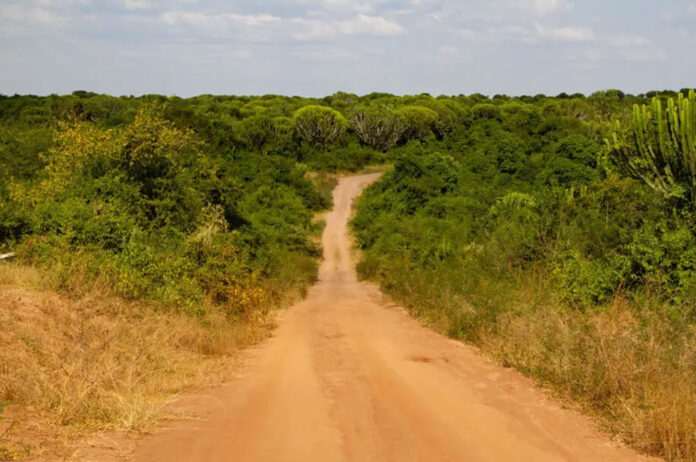
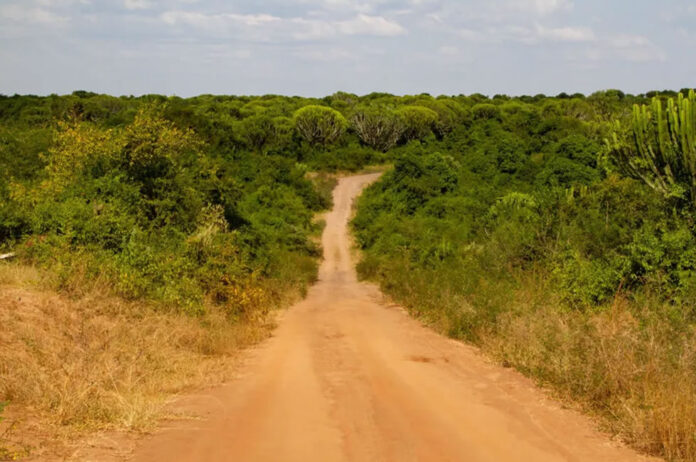
In most cases, an experience with a car rental comes with self-drive trails; the act of renting a car and experiencing nature on your own is the most recommendable. A road trip to northern Uganda is among the most rewarding routes to consider for safaris, for reasons yet to be revealed. In recent years, Northern Uganda was a nightmare for travelers due to its proneness to rebel activities; however, today the region is among the safest places to visit on a holiday to the Pearl of Africa.

With this write-up, we’re describing almost all of what one should expect to see when taking a road trip to northern Uganda, especially on a self-drive. A self-drive with a Uganda Car Rental is limited by knowledge, which guests always depend on when visiting the area. So, let’s broaden your regional knowledge so that if you’re planning your next holiday to Uganda, you can consider including them.

Here we’re going to share both en-routes and destinations separately; this is going to be so helpful to anyone planning a road trip through the northern route. This road trip will consider going and coming back on the same route. It’s not a round circuit, as many have always opted; we’ve noticed that many travelers have always gone on holidays to Uganda on the northern route.

The Northern Route

The northern route starts right from Kampala, taking the Bombo road at the formerly known KPC, which is located in Kampala city center. The vehicle will drive through Luwero, Murhison Falls National Park, Gulu City, Kitgum, and Kidepo Valley National Park before arriving in Moroto Town. At least you need like 7 days on your holiday road trip to exhaustively explore what this region has to offer.

En-route on a road trip to northern Uganda

When planning a self-guided road trip, it’s a great idea to know the basic stopovers for various purposes. These stopovers can be for refreshing (secretion), meal planning, shopping, and en-route attractions. So, the en-routes on the northern region road trip are in one of the mentioned categories.

Migyera is almost the first stopover to consider when on a road trip in the northern region. This stopover is ideal for refreshment (secretion), shopping for some edibles from the supermarket, and refueling your vehicle. Migyera is located in Nakasongora district along the Gulu-Kampala highway.

Kabalega Dinner

This fantastic traveler’s roadside restaurant has branded itself with cozy and tasty food, including both local and continental dishes. When seated at the dinner, you’re amazed by the crowd of tourists who are en route to the center for their meals. The restaurant organizes or prepares breakfast, lunch, and dinner meals; don’t allow hunger to reign over you when driving on the northern route.

Ziwa Rhino Sanctuary

The sanctuary was started as a breeding ground for the once-extinct rhinos in Uganda, and this has turned into another stunning tourist destination to always consider when visiting Uganda, especially on the northern route. The Ziwa Rhino Sanctuary is considered an en-route just because there are a limited number of travelers who take this route with the only purpose of visiting the rhinos. Ziwa is the only destination in Uganda where you can have a chance to track endangered rhinos. When seeking to watch the big five on this route, your full list must include Ziwa Rhino Sanctuary. The sanctuary is located in Nakasongola, and the entrance is just next to Kabalega Dinner.

Karuma Town

This is another vibrant town along the Gulu-Kampala road; it’s great to have your overnight stay in one of the lodges or hotels within the area or your evening dinner and lunch meals here. Karuma has become famous because of the 600 MW hydropower dam. The dam has influenced a lot of things to happen in the town in terms of infrastructural development. Staying at Karuma, there is Karuma Game Reserve, which is an extension of Murchison Falls National Park and harbors a great number of monkeys, which are always seen playing along the roads.

Gulu City

Gulu is among the 10 operating cities in Uganda; the city is also the largest town in northern Uganda, which combines West Nile, Northeastern, and Northern at large. Gulu is a historical city with several tourist attractions. However, on a road trip to northern Uganda, this can be considered an en-route. Mainly, the stopovers are made to take just a drive around, visit the main market, have lunch, or stay overnight at the center. Gulu has amazing hotels and lodges for your overnight stay during the trip.

Aruu Water Falls

One of the few amazing waterfalls is Aruu Falls, where the waters are clear and safe for swimming, which is not the case with most of the waterfalls in Uganda. Aruu waterfalls are located in Padar district along the Gulu-Kitgum road; it’s one of the best places to visit en route from Gulu to Kidepo.

Kitgum Town

Is highly unlikely to be visited by many tourists, but you can just consider a stopover, take a drive through the town, and then continue with your journey.

Moroto Town

Moroto, the most enchanting town within the Karamoja region, has attained a certain level of development that is far beyond any other town within the region. And the town is the closest and biggest town to Kidepo Valley National Park. Moroto is fantastic for cultural towns; these are mainly organized by the Kara Tunga Rest Camp, which gives an insight into the Karamoja people. When at Moroto, you can also visit and hike Mount Moroto, which is the highest in the northern region and the 4th highest in Uganda.

Tourist Destinations

Mostly, the northern road trip is dominated by two major tourist destinations: Murchison Falls National Park and Kidepo Valley National Park.

Murchison Falls National Park

Uganda’s most interesting park, as far as adventure experiences are concerned, Murchison Falls National Park is the largest among other parks, covering an area of 3,778 kilometers squared. Geographically, the park is located in northwestern Uganda and is the most visited park.

Murchison Falls National Park is crossed by the Victoria Nile, forming the northern and southern sections of the park. However, the Victoria Nile is very vital for the formation of the Murchison Fall. These are arguably the world’s most powerful waterfalls. This is by considering how the rapids force into the narrow gorge, which is 7m wide, and thunderously pour at 45m down.

There is no Murchison Falls National Park without the falls. And the river continues with an amazing flow towards Lake Albert, forming the Delta, which is the park’s hub for wildlife games. The northern section features savannah woodlands of acacia and palms.

And an adventure to Murchison Falls National Park is the best chance to watch the Big Five on a safari to Uganda. Among the adventures expected are some of the big five: lions, leopards, elephants, and buffalo. Herds of antelope species, towers of giraffes, schools of hippos, over 400 bird species, and many more species En route to Murchison is Ziwa Rhino Sanctuary, the only home for rhinos in Uganda.

Among the activities to do at Murchison Falls National Park are game drives, boat cruises, visiting the top of the falls, climbing to the top of the falls, nature walks, community visits, wild camping, and sports fishing, among others.

Kidepo Valley National Park                      

The remotest park by road access, highly termed the true African wilderness,” is located in the rugged northeastern region bordering Sudan and Kenya. The amazing feature of Kidepo Valley National Park is the widest opening of the savannah landscape. It takes about 10 hours of scenic driving to reach Kidepo Valley National Park by road and only about an hour by aircraft.

The park has two popular sections, Kidepo Valley and Narus Valley, which both persist with water even in the driest season. These two sections have the highest concentration of wild animals. The eco-biodiversity of Kidepo consists of over 74 mammal species, including some of the big five mammals, antelope species, zebras, cheetahs, and wild dogs.

There are about 470 bird species, including ostriches and secretary birds, among others. In 2019, CNN named Kidepo Valley National Park among the most attractive destinations in Africa. And in 2021, the park will feature in the World Tourism Awards list of the best safari parks in Africa, and safari bookings in 2019 listed the park at number 11 among the best 50 national parks in Africa.

Adventure activities in Kidepo Valley National Park include game drives, nature walks, birding, mountain climbing, and Karamoja cultural visits.

Uganda Announces a New Tourism Initiative

0

Uganda has just concluded the Pearl of Africa Tourism Expo (POATE) which attracted more than 150 exhibitors at Commonwealth Resort Munyonyo.  The Annual marketing event is one of the big events not to miss on the tourism calendar. The event happened last week from 24 April 2023 to 30 April 2023 and the major highlight was the new tourism initiative announcement that is aimed at boosting tourism in the country.

The initiative includes the expansion of airfields in Uganda’s national parks, a move that aims at improving the accessibility of tourist destinations.

The newly upgraded airfields; Kidepo, Pakuba, and Kisoro will be renovated to handle international flights.

The announcement was made by the Minister of Tourism, Wildlife and Antiquities, Hon. Tom Butime, during the opening ceremony of the Pearl of Africa Tourism Expo (POATE) 2023. The Minister stated that the expansion of the airfields will help to improve access to Uganda’s tourist sites, including national parks, game reserves, and cultural sites.

The Pakuba Airfield, located in the Murchison Falls National Park, will be expanded to accommodate larger aircraft. The Kisoro Airfield, which is close to the Mgahinga Gorilla National Park, will also be upgraded to handle international flights. Kidepo Airfield, located in the Kidepo Valley National Park, will be developed to provide better facilities for passengers and aircraft.

The Minister stated that the government has already allocated funds for the expansion of the airfields and that the project will be completed within the next two years. He added that the expansion of the airfields will not only improve access to Uganda’s tourist attractions but also create employment opportunities for local people.

The top brass of the Uganda Tourism Board, a body responsible for marking Uganda as a tourism destination, Lilly Ajarova, also said in a statement: “This year’s expo not only focuses to our recovery but also marks our willingness to host the tourism community once again. The expo has taken strides to become a monitor event for Uganda’s tourism. That way, Uganda will receive more travelers, and its associated benefits include increased tourism revenue and employment.”
She added that as a tourism board, Uganda will seek responsible and sustainable tourism.

“We will promote the use of recyclable materials, reduction of waste but also promote the conservation of the environment while respecting the host communities,”  she said.

The initiative has been welcomed by stakeholders in the tourism industry who see it as a positive step towards boosting tourism in the country. Tour operators, hoteliers, and other players in the industry have expressed their support for the initiative, stating that it will help to attract more visitors to Uganda.

The tourists will be evading the cumbersome long-distance travel from Entebbe to the national parks which has been a great challenge on their safaris. When the various airfields in the national parks start hosting international flights, travelers will just step out of the plane and immediately start enjoying the wildlife and the breathtaking landscapes at leisure without any hassle.

Uganda is known for its diverse wildlife, including mountain gorillas, chimpanzees, elephants, lions, and other species. The country is also home to some of the most beautiful national parks and game reserves in Africa, including the Queen Elizabeth National Park, Bwindi Impenetrable National Park, and the Kidepo Valley National Park.

The expansion of the airfields will make it easier for tourists to access these attractions, thereby increasing the number of visitors to the country. This, in turn, will lead to the growth of Uganda’s tourism industry, which is a major source of revenue for the country.

It will also present similar opportunities like those in Entebbe that include but not limited; car Hire services, vibrant airport transfer businesses, more lodging opportunities among several other international airport related opportunities.

Entebbe is one of the places in Uganda whose population has largely benefited from the airport through airport transfers, lodging services and car rental services. Today there are several providers of tours and transportation services. There is a growing niche of travelers opting for Uganda car rental on either chauffeur or self-drive basis. There is hope that once international flights start booming in other locations, similar services will inevitably boom in the new areas.

In conclusion, the expansion of the airfields of Pakuba, Kisoro, and Kidepo to handle international flights is a positive development for the tourism industry in Uganda. The initiative will help to improve access to the country’s tourist attractions and create employment opportunities for local people. It is hoped that this move will attract more visitors to Uganda and lead to the growth of the tourism industry in the country.

Club Tavern Kick Masaka Opens in July

0

Another modern discotheque is slated to open in Masaka town next month to bring to three numbers of clubs in the area.

The latest club is called Club Tavern Kick. It is located at Kyabakuza in Kimanya-Kyabakuza division in Masaka municipality along Masaka-Kampala highway.
Club Tavern Kick is owned by businessman Emmanuel Lwasa, Masaka’s latest buzzing investor who is taking the area by storm.

Emmanuel Lwasa, the owner of the club says it is set to open at the end of July. He says the opening was delayed because there was review of the construction plan and installation of modern equipment.

Lwasa says with the arrival of modern equipment which are being installed, he is confident it will open on July 29th.

The three storayed discotheque has two dancing floors and modern bars. All the furniture was imported from China and Dubai.

In addition to Club Tavern Kick, Lwasa has modern garden, a bar and children play centre.
Club Tavern Kick joins other two clubs which operate in Masaka town. They are Ambiance Discotheque and Doris Discotheque.