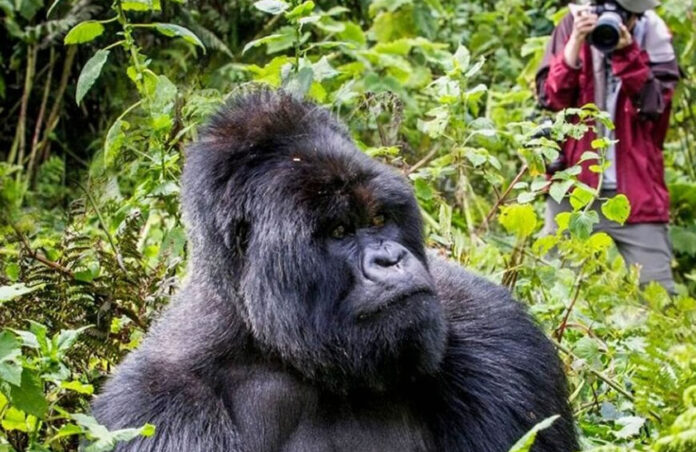
Rwanda, a small landlocked country located in East Africa, is often associated with its tragic history of genocide. However, in recent years, Rwanda has emerged as a shining example of conservation efforts and sustainable tourism, particularly in the realm of gorilla conservation. One of the key initiatives that has captured global attention is the “Gorilla Gram” program, a tech initiative on Instagram aimed at saving mountain gorillas in the Volcanoes National Park Rwanda. This essay will explore the significance of the Gorilla Gram program, its impact on gorilla conservation in Rwanda, and its potential for replication in other parts of the world.
The Gorilla Gram Program: An Overview
The Gorilla Gram program, developed by the Rwandan government in collaboration with local communities and conservation organizations, is an innovative approach to raise awareness and funds for gorilla conservation. It involves individuals and groups from around the world sending personalized messages, often in the form of digital photographs or videos, to their loved ones or friends. These messages are delivered by park rangers or researchers who interact with gorillas on a daily basis, making the experience truly unique and memorable.
Gorilla Conservation in Rwanda
Rwanda is home to the endangered mountain gorillas, a subspecies with only a few hundred individuals left in the wild. Conservation efforts in Rwanda have played a pivotal role in ensuring the survival of these majestic creatures. The country’s commitment to wildlife conservation is exemplified by the establishment of Volcanoes National Park, which protects a significant portion of the gorilla habitat. The park serves as a safe haven for the mountain gorillas and has become a popular ecotourism destination.
The Impact of the Gorilla Gram Program
The Gorilla Gram program has had a profound impact on gorilla conservation in Rwanda. Firstly, it has served as an effective fundraising tool. The funds generated through the program are utilized for various conservation activities, including anti-poaching measures, habitat protection, and community development initiatives. The program has helped create sustainable livelihood opportunities for local communities, fostering a sense of ownership and pride in gorilla conservation.
Secondly, the Gorilla Gram program has significantly raised awareness about the plight of the mountain gorillas and the importance of their conservation. By involving individuals from around the world in this unique experience, the program has turned them into ambassadors for gorilla conservation. Participants often share their experiences on social media platforms, reaching a wider audience and inspiring others to take action.
Community Involvement and Benefits
The success of the Gorilla Gram program can be attributed to the active involvement of local communities. Communities living adjacent to the gorilla habitats have historically been dependent on the forest resources for their sustenance, leading to conflicts between humans and wildlife. However, through the program, communities are now directly benefiting from gorilla conservation.
The program has created employment opportunities for local guides, porters, and rangers, empowering them economically. Additionally, revenue generated from gorilla tourism is reinvested in community development projects such as education, healthcare, and infrastructure, improving the overall quality of life for local residents. This holistic approach has fostered a sense of partnership between communities and conservationists, ensuring the long-term sustainability of gorilla conservation efforts.
Replicating the Gorilla Gram Model
The success of the Gorilla Gram program in Rwanda holds valuable lessons for other countries facing similar challenges in wildlife conservation. The key lies in adopting a multi-stakeholder approach, involving governments, local communities, and conservation organizations. Additionally, the program’s emphasis on sustainable tourism and community development provides a model for creating a win-win situation, where both wildlife and people benefit.
Countries with endangered species can explore similar initiatives to engage global audiences and generate support for conservation efforts. By offering unique and personalized experiences, such programs can capture the imagination of individuals worldwide and inspire them to contribute towards protecting endangered wildlife.
The Gorilla Gram program in Rwanda has revolutionized the way people engage with wildlife conservation. By combining technology, community involvement, and sustainable tourism, the program has successfully raised awareness and funds for gorilla conservation while creating tangible benefits for local communities. The program serves as an inspiration for other countries striving to protect their endangered species and demonstrates that conservation can go hand in hand with socioeconomic development. As we celebrate the success of the Gorilla Gram program, we must continue to support and replicate such innovative initiatives to secure a future for endangered species and the ecosystems they inhabit.