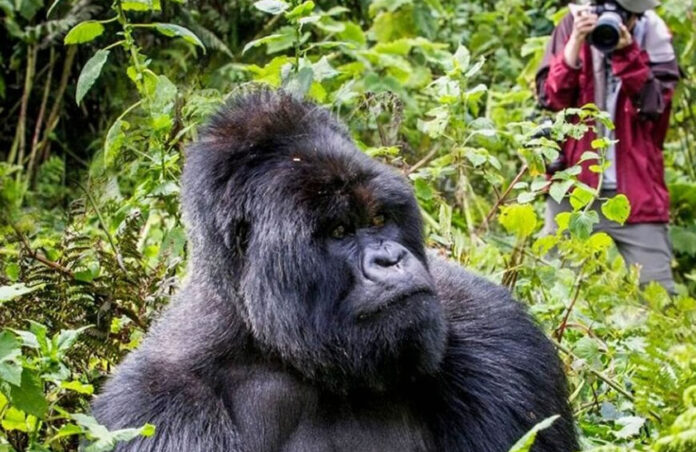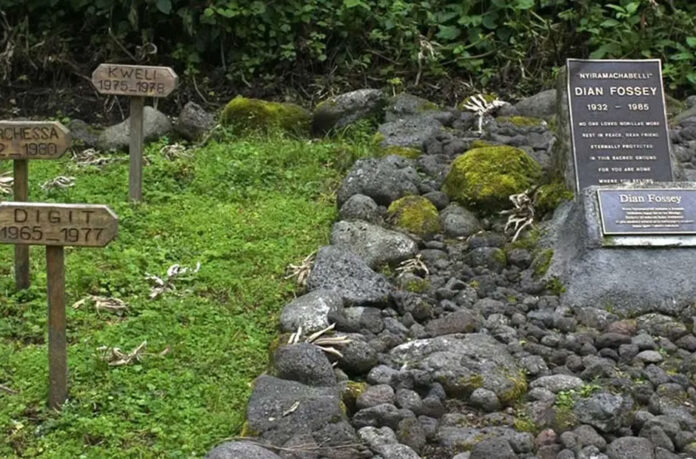
The murder of Dian Fossey in December 1985 shocked the world and dealt a severe blow to the conservation community. Fossey was an American primatologist and conservationist who dedicated her life to studying and protecting mountain gorillas in Rwanda’s Volcanoes National Park. Her brutal and untimely death not only silenced a passionate advocate for these endangered animals but also exposed the dangers faced by individuals committed to environmental preservation. This essay explores the life and work of Dian Fossey, the circumstances surrounding her murder, and the impact her death had on gorilla conservation efforts.
- Dian Fossey: A Life Devoted to Gorilla Conservation
Early Life and Introduction to Primatology
Dian Fossey was born on January 16, 1932, in San Francisco, California. While she initially pursued a career in occupational therapy, her love for animals, especially gorillas, led her to change course. Inspired by the work of renowned primatologist Dr. Louis Leakey, Fossey embarked on a journey that would define her life. She began studying gorillas in 1963, initially in the Democratic Republic of Congo (then Zaire) and later in Rwanda.
Karisoke Research Center and Gorilla Conservation Efforts
In 1967, Fossey established the Karisoke Research Center in the Virunga Mountains of Rwanda. This research facility became her base for studying mountain gorillas up close, collecting data on their behavior, and conducting pioneering research on their social structure. Fossey’s groundbreaking work revealed the complex lives of gorillas and brought attention to the threats they faced due to habitat loss and poaching.
Fossey’s Battle Against Poaching
One of the main challenges Fossey encountered during her research was the rampant poaching of gorillas for their body parts and the illegal wildlife trade. Fossey became an ardent anti-poaching activist, employing a hands-on approach to protect the gorillas she loved. Her actions included destroying poachers’ traps, confiscating snares, and working with local communities to raise awareness about the importance of gorilla conservation.
- The Murder of Dian Fossey
The Events Leading to Fossey’s Murder
Fossey’s unyielding dedication to gorilla conservation often put her at odds with poachers, local authorities, and individuals involved in the illegal wildlife trade. She received numerous threats and experienced harassment, which escalated in the months leading up to her murder. Fossey’s murder was not an isolated incident but rather the culmination of a series of confrontations and escalating tensions.
Investigation and Speculations
Following Fossey’s murder on December 26, 1985, an investigation was launched. While the case remains officially unsolved, there have been various speculations about the identity of the perpetrator(s). Some theories suggest the involvement of poachers or individuals associated with the illegal trade in gorilla parts. Others point to potential conflicts within the Rwandan government or even personal disputes with individuals residing in the local community.
Legacy and Impact on Conservation Efforts
The murder of Dian Fossey not only claimed the life of a remarkable scientist but also had a profound impact on gorilla conservation efforts. Her death created an international outcry, shedding light on the risks faced by conservationists working in remote and dangerous environments. Fossey’s story drew attention to the urgent need for increased protection measures for endangered species and prompted renewed efforts to combat poaching and habitat destruction.
III. Continuing the Gorilla Conservation Legacy
Posthumous Influence on Conservation Movements
Despite her tragic end, Dian Fossey’s legacy continued to inspire others to join the fight for gorilla conservation. Her work, as documented in her book “Gorillas in the Mist” and the subsequent film adaptation, reached a wide audience and generated public support for protecting these magnificent creatures and their habitats.
The Dian Fossey Gorilla Fund International
Following Fossey’s death, the Dian Fossey Gorilla Fund International was established in her memory. This organization continues her work by supporting gorilla research, anti-poaching initiatives, community outreach programs, and education efforts. The fund’s work highlights the importance of engaging local communities in conservation and fostering sustainable practices to protect gorillas for future generations.
Successes and Ongoing Challenges
Since Fossey’s murder, gorilla populations in the Virunga Mountains have shown signs of recovery, thanks in part to increased protection efforts and conservation interventions. However, challenges such as habitat degradation, climate change, and the persistent threat of poaching remain significant obstacles in the ongoing battle to safeguard these critically endangered animals.
The murder of Dian Fossey was a tragic loss not only for the field of primatology but also for the global conservation movement. Fossey’s unwavering dedication to studying and protecting gorillas, despite the risks and dangers she faced, remains an inspiration to conservationists worldwide. Her murder shed light on the perilous conditions faced by those working on the frontlines of environmental protection. It also emphasized the urgent need for international collaboration, increased protection measures, and community engagement to ensure the survival of endangered species like the mountain gorillas. Fossey’s legacy lives on through the work of the Dian Fossey Gorilla Fund International and the countless individuals who continue to fight for the conservation of these remarkable creatures. In honoring Fossey’s memory, we must strive to protect the biodiversity of our planet and preserve the delicate balance of nature for future generations