Home Blog

Mountain Gorillas: Guardians of the Jungle

0
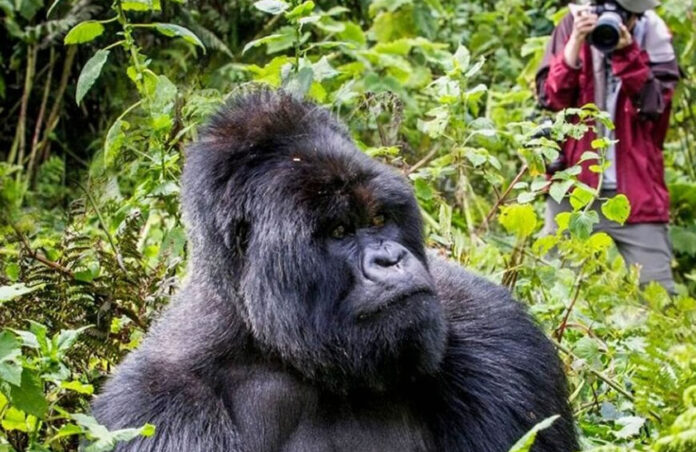
Alpha Mountain Gorilla

Have you ever tried meeting eye to eye with Gorillas, have you ever dreamt about visiting the endangered mountain gorillas of the Virunga Massif or Bwindi, the only two world heritage sites that protect the mountain gorillas. Do you know that meeting the mountain gorillas is advantageous both socially and economically to the countries of Uganda and the neighboring states of Rwanda, and Democratic Republic of Congo.

All you have been missing is here, mountain gorillas are some of the most Unique and amazing creatures in Uganda, dense forests of Eastern Africa, Virunga region and at the whole planet earth. They are the largest living primat6e and inhabit the dense forests.

What sets them apart is their striking appearance with thick coat of fur that helps them withstand cold temperatures at higher altitudes. They possess a calm and gentle nature, making them highly endearing to researchers and tourists alike.

Furthermore, mountain gorillas are highly intelligent and show advanced cognitive abilities. They form complex social structures that resolve around tight-knit family groups led by a dominant silverback male. These groups exhibit remarkable behaviors such as cooperation, communication through complex vocalization and gestures, and tool usage.

In addition to their fascinating behavior, mountain gorillas are also critically endangered. Today, they face numerous threats including habitat destruction, poaching and disease transmission from humans. Despite these challenges, conservation efforts, such as protected habitants and tourism initiatives, have increased their population in recent years.

Witnessing mountain gorillas in their natural habitat is a true awe-inspiring experience. It offers a unique opportunity to appreciate their incredible physical strength, and gentle nature, while also raising awareness about the importance of protecting these extraordinary creatures.

Why you need to Encounter Mountain gorillas

People love to visit mountain gorillas for a variety of reasons, primarily because of the unique and captivating experiences and phenomenal life changing.

Unique Wildlife Encounter, interacting with wild mountain gorillas can be a life-changing experience. These intelligent and gentle creatures share a significant amount of DNA with humans, making their behavior and social structures intriguing and relatable.

Connection with Nature. Observing gorillas in their natural environment allows people to connect with nature in a profound way. The lush forests and pristine landscapes where mountain gorillas live are also attractive to nature enthusiasts and adventure seekers.

Responsible gorilla trekking and ecotourism practices aim to promote conservation, support local communities, and raise awareness about the importance of protecting wildlife and their habitats.

Being in close proximity to mountain gorillas often evokes strong emotional reactions. Many visitors describe feeling a sense of wonder, humility, and awe in the presence of these gentle giants.

Visiting mountain gorillas can be an educational experience, as it allows people to learn about their behavior, ecology, and the challenges they face in the wild. This can lead to greater awareness and advocacy for gorilla conservation.

Supporting Local Communities: Gorilla tourism contributes to local economies by providing employment opportunities and fostering sustainable development in areas surrounding gorilla habitats. This economic incentive can also encourage local communities to participate in conservation efforts.

Bucket List Destination; for many travelers, seeing mountain gorillas is a once-in-a-lifetime experience, making it a popular item on their travel bucket lists.

Photography and Filming Opportunities. The unique setting and close encounters with gorillas provide excellent opportunities for wildlife photographers and filmmakers to capture stunning visuals and document these remarkable creatures.

The Hidden Treasure in Urban Farming

0
Urban Farming

Growing up, Esther Kyambadde had a passion for farming and went on to pursue it through various short courses offered by civil society organizations key among them Caritas Kampala. To her farming is not just a source of livelihood but defines action of her revolves around farming. A variety of plants and livestock cover her homestead situated on less than 1 acre piece of land in Kijjabijjo village, Wakiso district.

She picked the passion from her late dad who owned large banana plantation and kept cattle and local chickens.

“I the way he dispensed milk to our neighbors every day, in the morning an evening. He was also a popular farmer whose name caught the attention of everyone in the village because of the way he used to do farming. As a young girl, Imade a personal commitment to do farming and bring solutions to other farmers,” she says.

After acquiring land, Esther was introduced to Abagalana Farmers’ Group in 2007 and she started receiving agricultural training sessions by Caritas Kampala.

” I decided to quit my tailoring job and give more time to my own farming projects as a manager because i had seen gold in farming,” She says. She also received a Trainer of Trainees course by Caritas Kampala which ignited her zeal to train other community members. Her place is portioned into residential and mixed urban farming projects. She uses her balcony as a classroom for other community members/farmers.

Through offering training services to the community members, she discovered that in urban centers, the market was readily available for organic vegetables and yet so many people were not properly utilizing their space for commercial purpose. “I decided to train people on how to utilize their small space for urban farming.” For that reason, she is often in and out her home offering training services to several farmers.

That is exactly what inspired her to start urban farming at her home and be a doer of what she preaches. “Mine is a mixed urban farm with kitchen gardens where I grow vegetables and sell them to other community members who don’t grow them,” she says.

She runs her farming project with her family where her 5 children and husband are the source of labor. She sub-contracts extra labor force when children go back to school. She farms lavender, lemon balm and rosemary among other medical plants.

Esther mixes the soil she uses in her potted plants with compost to give them vigor while growing.

Home- made fertilizers.

She says she mixes sun dust (olusenyente), compost manure and black soil in a corresponding proportion and then puts the mixture in bags which serve as vegetable.

She built an irrigation system around her farm which ensures constant flow of water especially during dry spells. Apart from the plant which are planted st the entrance to her home with the aim of attracting potential clients, other plants are fenced off from the public view as a way of providing physical security

Gorilla Trekking in Uganda

0
Bwindi Gorilla

UGANDA’S number one tourist destination is the Gorilla Land -located on the border of Rwanda in the remote south-west. There is a remarkable diversity of life in the national parks of Mgahinga and Bwindi Impenetrable Forest, where the regional landscape is varied and dramatic. Yet in spite of the long list of species here;

A source of wonder to zoologist and botanists

The mountain gorilla is the star attraction. Today, there are about 1000 individuals of this endangered primate left in the whole world. These endangered great apes live only in the forests of the Virunga Volcanoes and Bwindi. Nearly half of the mountain gorilas live in Bwindi. Of these great apes that live in the Virunga Volcanoes, Uganda hosts two gorilla families in the Mgahinga National Park (the Ugandan slopes of the Virunga). Therefore the mountain gorilla Country of Uganda is the destination of choice for those hoping to catch a glimpse of these magnificent animals.

Tracking the mountain gorilla is one of the most remarkable as well as exclusive wildlife experiences anywhere. There are strict limits on access in order disturb them as little as possible.

Only eight people may track each of the habituated gorilla group each day, while viewing time is limited to one hour. Most visitors agree there is a special quality about these encounters. The gorillas is one of our closest relatives and there is often a profoundly moving sense of connection-obviously intelligent and physically impressive, with a typical silverback weighing more than 200 kg (450 Ib).

A key aspect of gorilla tracking is that it helps to fund the continued survival of these rare animals in their natural habitats.

The Impenetrable Bwindi Forest

The Impenetrable Forest is aptly named and visitors must be reasonably fit to take part in the adventure. The habitant of the gorilla is characterized by dense, tangled vegetation in a montane landscape of deep valleys and steep ridges. A recent addition to Bwindi’s list of activities-longer and less predictable than normal tracking -is the Gorilla Habituation Experience, in which visitors can spend the day with teams habituating new gorilla groups to the presence of humans.

Is Gorilla trekking worth the money?

  • The experience is exciting

The majority of animals often fall into one of two groups, those that flee from people and those that will bite people who are unlucky enough to be in the wrong place at the wrong moment. However, gorillas are generally peaceful animals and would only attack people if they were seriously threatened. You will be able to enjoy the uncommon experience of viewing Gorillas.

  • You are directly supporting conservation efforts

The endangered mountain gorilla is most at risk from habitat destruction due to the expansion of densely populated areas on the periphery of national parks and people’s desire to profit from logging and agriculture. The principal source of funding for their ongoing conservation is the revenue from gorilla trekking.

  • The scenery is spectacular

A day of gorilla trekking entails several hours of strenuous travel in mountainous terrain with low humidity and thick forest. The difficulties of trekking here, though, are part of what make it such a rewarding trip, provided you have a base level of fitness.

  • Stunning Bwindi’s Flora and Fauna

There are other more wildlife besides mountain gorillas, there are monkeys, birds, which hang on the trees of the bamboo forest regions. Bwindi Impenetrable National Park is home to an impressive list of species with 200 different trees, 350 birds, 310 butterflies, 88 moths, 51 reptiles and 120 mammals including primates such as chimpanzees, black-and-white colobus, blue monkey, grey-cheeked mangabey, L’Hoest’s monkey and, of course the mountain gorilla.

Bwindi is also a key destination for birdwatchers, one of the best in the country, with 350 bird types including many endemic Albertine Rift species Community Walks, outside the forest, give an insight into the lives of the Bakiga people Forest with a Batwa pygmy guide to learn more about the hunter-gathering traditions of Uganda’s oldest extant tribe.

The Gorilla Trek

Gorilla trekking is a unique and thrilling wildlife experience that involves tracking and observing wild mountain gorillas in their natural habitat.

The main objective of gorilla trekking is to provide tourists with an opportunity to encounter these magnificent and critically endangered creatures up close while minimizing any negative impacts on their natural environment. The activity is heavily regulated and managed to ensure the safety and well-being of both the gorillas and the visitors.

Here’s how the gorilla trekking experience typically works:

Permits: Before embarking on a gorilla trek, visitors must obtain a permit issued by the respective country’s wildlife authorities. These permits are limited in number to help control the number of visitors and limit the disturbance to gorilla families.

Briefing: On the day of the trek, participants attend a pre-trek briefing where they receive guidelines on how to behave during the encounter, how to minimize the risk of disease transmission to gorillas, and other important safety and conservation considerations.

Trekking: Groups of trekkers, accompanied by experienced guides and sometimes armed park rangers, set out into the gorilla habitat. The treks can vary in duration and difficulty, depending on the location of the gorilla families.

Gorilla Encounter: Once the gorilla group is located, visitors spend a limited amount of time (usually around one hour) observing and quietly enjoying the gorillas from a safe distance. The guides provide information about the gorillas and their behavior while ensuring that the animals are not disturbed.

In conclusion, gorillas play vital roles in both their natural ecosystems and human understanding, showcasing a remarkable blend of uses, family dynamics, and uniqueness. As majestic creatures, gorillas contribute to biodiversity by shaping their habitat and promoting plant growth through their feeding habits. Their intricate family structures and social interactions provide valuable insights into the complexities of animal behavior, offering researchers and conservationists invaluable lessons for studying and protecting other species.

Is Success About Luck or Mindset

0
Small Scale Business

In past generations, success was synonymous with hard work. In today’s consumer and glamour society, faith in luck has replaced faith in hard work and religion. One function has both luck and religion share is both give hope. Nevertheless, empowering one’s self and being more active so as to generate one’s own “luck” is better than just waiting to get lucky.

Firstly, what is luck? And why do some people consider themselves as lucky while others feel unlucky?

Luck can seem synonymous with chance. To call someone lucky is usually to deny the relevance of their hard work or talent. “Lucky people appear to have an uncanny ability to be in the right place at the right time and enjoy more than their fair share of lucky breaks.”

Many attribute the outcome of an event to themselves or external factors like luck. But Bernard Weiner, an American social psychologist, defined luck as external, unstable and having uncontrollable causes. Meeting the Director of company seeking someone, with your profile, at a dinner and getting a job of your dreams could be defined as a lucky event.

But not necessarily so, because students getting results from their exams often attribute their success to luck, while others attribute it to the fact that they studied well and therefore empower themselves by taking credit for their work.

Confident people tend to attribute success to themselves and failure to bad luck themselves. This is empowering and builds self-esteem. Others who attribute success to luck and failure to themselves will wait for luck to guide them and will eventually become insecure as they rarely take credit for their successes.

Being “lucky” or “unlucky” is also a question of perspective, someone having experienced serious car accident can see the situation as “unlucky” after breaking an arm, completely destroying their brand new car they bought with a loss the week before. On the other hand, this same person could say, “I’m very lucky to be here,”

A Psychologist Richard Wiseman and author of “The Luck Factor” demonstrated through a series of elegant experiments that “lucky” people do have more good things happening to them than the “unlucky” ones and its not because of chances or luck.

The “lucky” subjects were people who were significantly more extrovert and open than the others. They were twice more lucky to smile and engage in eye contact then the “unlucky” people. They believed to be twice as likely to win the lottery when compared to the “unlucky” group. They appeared being significantly more satisfied with their lives than the “Unlucky” subjects. These translate into maximizing the probability of positive opportunities.

The “unlucky” subjects would meet and speak to less people, consequently reducing the probability of positive outcomes from occurring. Hence, meeting the director of the company seeking someone with your profile at a dinner would not be due to luck. Instead, by being social and interacting with people you maximize the probability of such events occurring.

Should you have been in this situation without being social and interactive, you might have not spoken to this person and you you would not have been “lucky” to get the  job. Another characteristic the “lucky” subjects had was that they were half an anxious as the “unlucky” subjects. Wiseman demonstrates through a series of experiments that being relaxed allows you to notice opportunities more than when anxious.

“If you are anxious that you won’t find a parking place, then literally your vision narrows. You lose your peripheral vision.”

The more observant you are of your surroundings; then more likely you are to capture available resources or avoid tragedy. Lucky people don’t magically attract new opportunities and good fortune.

They stroll along with their eyes wide open, fully present in the moment (a problem for people glued to phone screens). This also means that anything that affects our physical or emotional ability to take in our environment also affects our so-called “luckiness “anxiety, for one. Anxiety physically and emotionally closes us off to chance opportunities.

Therefore, in addition to being open and interactive, being able to direct opportunities is also a competitive advantage.

What do these people have that the rest of us don’t? It turns out “ability” is the key word here. Beyond their level of privilege or the circumstances they ever born into, the luckiest people may have a specific set of skills that brings opportunities their way.

Somehow, they’ve learned ways to turn life’s odds in their favor. Thus, one can say that being “Lucky” is determined by your mindset and the way you engage the world_ to attribute to your success.

Murchison Falls Park Turns Into a Booming Global Travel Sensation

0
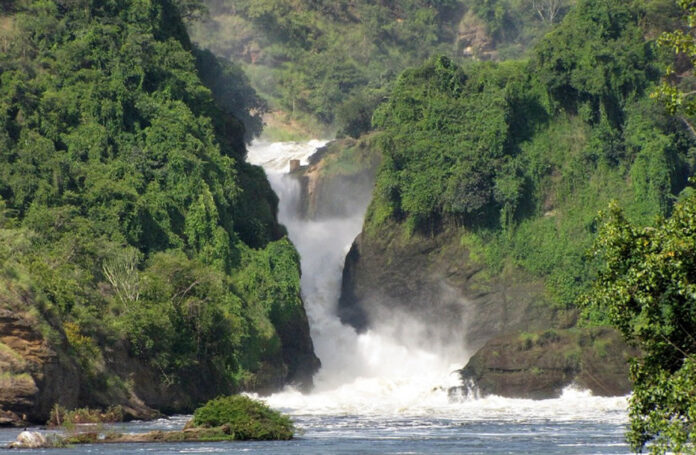
Murchison Falls Park

Uganda has steadily strengthened its international tourism reputation as Murchison Falls National Park continued attracting travelers searching for immersive, meaningful, and environmentally connected travel experiences.

The destination’s thunderous waterfalls, dramatic cliffs, dense mist, scenic river landscapes, and extraordinary wildlife encounters have reportedly transformed the park into one of Africa’s most admired natural attractions. As global tourism trends increasingly move toward sustainability, emotional connection, and authentic outdoor exploration, Murchison Falls National Park has emerged as a remarkable example of how eco-tourism is reshaping international travel preferences.

The Murchison Falls National Park is ranked as the oldest and largest conservation area in the pearl of Africa famously know for its most powerful water falls and the rich bio- diversity system.

Murchison Falls National Park is a place of safety of undisputed jewel of over seventy-six mammal species including the big four namely buffaloes, leopards, elephant’s other animals are hyena, waterbuck, warthogs, reedbuck, oribi, antelope’s giraffe and many more as well as a home to  many bird species, reptiles, butteries to mention but a few.


Surreal Experience with Chimpanzees inside Kibale

0
Chimpanzee Tracking in Kibale

Want to visit chimpanzees in Kibale Forest? Then consider booking chimpanzee trekking tours in Kibale. Tracking chimpanzees is considered a bucket list adventure by most travelers while planning their Uganda safaris. To enjoy a guided chimpanzee trekking experience in Kibale, you should have a valid permit, which you can obtain through the local tour operator.

As per 2024-2026 tariffs, each of the Kibale chimpanzee tracking permits costs US Dollars 250 per person (for all foreign non-residents), US$ 200 for foreign residents, & UGX 180,000 per person for East African citizens. Chimpanzee habituation permits, on the other hand, cost USD 300 per person. Note, starting January 1st, 2027, the chimpanzee permits for Kibale will be booked at US Dollars 300 per person (normal chimpanzee tracking), and chimp habituation permits will cost US Dollars 400 per person for all foreign non-residents.

Kibale is found in Kabarole district near Fort Portal city, about a 5-6-hour drive from the heart of Kampala. The park features surface area coverage of 795 sq. km, comprising largely of the tropical rainforest and some dotted savanna grassland. At Kibale National Park, expect to engage in not only standard chimpanzee trekking but also a thrilling chimpanzee habituation experience.

Beyond chimpanzees, Kibale also hosts up to 12 other primate species. They include the red-tailed monkeys, Uganda mangabeys, l’hoest monkeys, black-and-white colobus monkeys, bush babies, olive baboons, blue monkeys, and red colobus monkeys.

Local Car Rentals or Big Brands: Which Is Better

0
Car Rental

Rental cars are the most affordable means of traveling in Uganda. There are many rental car options for tourists exploring Uganda to choose from for their road trips and range from budget to luxury.

When it comes to rental cars, every traveler has their desired cars to drive on a safari in Uganda or any destination. Often many travelers find it challenging choosing between local and big brand rental cars. This article helps you make comparison between local car rentals and big brand rentals in Uganda.

  • Local car rental agencies/companies have larger control over their terms and conditions, pricing and fleet at the desk unlike big brand rentals where decisions are centrally made.
  • Unlike big brands, products such as insurance, extras/additional charges, especially child seats and extra drivers are slightly cheaper. Usually, the excess insurance covers a lot of expenses compared to big brand rental companies. It means, you can have more inclusive package at the least cost.
  • Big brand car hire companies are usually preferred to due to their reputation or reference from friends or you could have dealt with them before, but there are many reliable local companies that are also offering excellent job.
  • Big brand rentals often concentrate around the airport terminals and it means, you can easily locate their offices as soon as you land in at Entebbe International Airport (EBB). They can also afford the higher lease rates given their convenient location at the airport. On the other hand, this may come with a higher price on car hire than if you dealt with local companies that are usually found a bit far from the airport.

Generally, hiring a car in Uganda should be done with companies that are not located at the airport. There are many car hire firms around Entebbe town, Kampala, and other cities in Uganda.

  • Unlike local car hire firms, finding reviews of service provided is often easier with international/big brand rentals agencies.
  • Big brand rentals usually place emphasis on standards on service delivery and customer experience. While the same is done by local firms, often their main focus is placed much on being helpful to their clients. Local car rental firms tend to be more flexible so as to meet all the guests’ requests.
  • Local car rental companies are normally more welcoming, friendlier and willing to go extra mile for clients. The big brand rental firms often consider themselves as the massive fleet providers and as a result, you may miss out on your rental car.

Incredible Rwenzori Mountain Hike

0
Rwenzori Hiking Safari

Also known as the Mountains of the Moon, Rwenzori mountains are of the best destinations offering an incredible hiking experience in East Africa and Africa at large. Located on the border between Uganda and the Democratic Republic of the Congo, these mountains are known for their stunning scenery, diverse wildlife, and challenging trails. The mountains provide the best hiking experience due to the fact that they are encompassed and encompasses a number of features and among these include;

Rwenzori Mountains National Park

The Rwenzori Mountains are protected by the amazing Rwenzori Mountains National Park, a UNESCO World Heritage Site. The park covers an area of about 998 square kilometres and is home to a unique range of ecosystems, including glaciers, alpine meadows, and montane forests, bird species and a few animal species thus making it a best place to encounter during the hike of the snowcapped mountain.

Hiking Routes: There are several Rwenzori hiking routes varying in length and difficulty. The most popular and challenging route is the Central Circuit Trail, which takes about 6 to 9 days to complete and the Kilembe route which takes about 6 to 8 days to complete. The Central circuit route allows you to explore the main peaks, including Mount Stanley, which is the highest peak in the Rwenzori Mountains, Mount Baker and Mount Speke. Other routes include; Bukurungu, Kirangura, and Kinyampanika chimp trail.

Mount Stanley: This is one of the six massifs of the Rwenzori mountains and it is known for hosting the highest peak of the mountain, Margherita Peak which standing at height of 5,109 meters (16,763 feet) above sea level. Hiking to the summit of Margherita Peak requires mountaineering skills and is usually undertaken by experienced climbers. Since the mountain is snowcapped and glaciated, one requires different hiking equipment to reach the summit and among these include, hiking boots, gloves, ropes, and others.

Unique Flora and Fauna: The Rwenzori Mountains are known for their rich biodiversity. The higher altitudes are home to unique plant species, including giant lobelias and heather, which are adapted to the alpine environment. The mountains also host a variety of wildlife, such as Rwenzori turacos, Rwenzori duikers, and three-horned chameleons. As you continue with the hike, sighting several species

Weather and Climate: The weather in the Rwenzori Mountains can be unpredictable and can change rapidly. It is important to be prepared for rain and cold temperatures, especially at higher altitudes. The best time to hike the Rwenzori Mountains is during the dry seasons, which are typically from December to February and from June to August though the rain season also makes the experience more adventurous and memorable since the slopes and rocks are always slippery and muddy.

What to have before going for a Rwenzori HikingTtrip

Permits and Guides

Before proceeding with the hike, one must possess a hiking permit and it is recommended to hire a local guide or join a guided tour for safety and navigation purposes. Local guides are knowledgeable about the terrain, weather conditions, and can enhance your overall experience by sharing their insights and stories about the mountains.

Physical Fitness and Preparation

Hiking in the Rwenzori Mountains is physically demanding and requires a good level of fitness. It is recommended to engage in regular physical exercise and prepare for the altitude and challenging terrain before attempting the hike. Packing appropriate gear, including sturdy hiking boots, waterproof clothing, and camping equipment, is also essential.

Remember to prioritize safety during your hike and respect the natural environment by following Leave No Trace principles. Enjoy the breathtaking landscapes, diverse wildlife, and the sense of adventure that the Rwenzori Mountains offer!

Best 5 Uganda National Parks to Visit In 2026

0
Uganda Safari Adventure

Uganda is gifted by nature, and amazingly, it is referred to as the Pearl of Africa for many reasons. Ugandan National Parks contain a diversity of wildlife and other attractions of nature lovers’ interest in an African safari. The top attractions to explore on a visit to National Parks in Uganda include primates, big game, other mammals, reptiles, and more.

The experience in each of the parks in Uganda is completely different. Of the 10 National Parks, here are the best 5 that you should consider visiting in 2026.

Murchison Falls National Park

Lying at the edge of the Albertine rift, Northwestern Uganda is a magnificent Murchison Falls National Park, the home to 4 of the big five game and Murchison Falls –one of the most powerful waterfalls in the world. This is Uganda’s largest National Park and it was created in 1952 making it one of the oldest parks in the country. It takes its name from the powerful Murchison Falls and covers a land area of 3840sq.km.

Murchison Falls National Park isn’t only spectacular but also shelters diversity of wildlife making it a favorite wildlife tour destination. This Park is a host to over 76 species of mammals and includes waterbucks, African bush elephants, Nile crocodiles, spotted hyenas, cape buffaloes, lions, Rothschild giraffes, jackals, hippos, Jackson’s hartebeests, warthogs, bushbucks, oribis, and over 451 species of birds.

Birds to see on a tour in Murchison Falls National Park include rock pratincole, Denham’s bustard, yellow-fronted tinker bird, giant kingfishers, Abyssinian ground hornbill, shoebill stork, Senegal thick-knee, grey crowned crane, silver birds, blue-napped mouse bird, chestnut crowned sparrow weavers, white-bellied night heron, pel’s fishing owl, long-tailed and pennant winged, yellow-throated leaf love, grey-cheeked crane, goliath heron, red-winged grey warblers, squacco herons, speckle-fronted weavers, swamp flycatchers, sandpipers, and more.

The amazing safari activities to do in Murchison Falls National Park include guided game drives, a launch cruise, hiking to the top of the falls, birding, chimpanzee trekking, chimpanzee habituation experience in Budongo Forest, nature walks, visit the top of the falls, hot air balloon, and others.

Access to Murchison Falls National Park for a tour is easier by road or air. From Kampala, it takes visitors between 5 and 6 hours to drive via the Luweero-Gulu highway. Before reaching to this park, a stopover can be made at the Ziwa Rhino Sanctuary for rhino tracking. By air, take a flight to available airstrips at Murchison Falls NP including Chobe and Bugungu airstrips.

Bwindi Impenetrable National Park

The popular Bwindi Impenetrable National Park is one of the must-visit Uganda National Park come 2023. This is a mountain gorilla haven with at least 459 of the world’s 1063 individuals residing within its lush tropical rainforest. Established in 1991, Bwindi occupies a compact area measuring 331sq.km and this features a lush impenetrable forest.

Bwindi Impenetrable Forest Park is a recognized UNESCO Site –the status it attained in 1994. It holds a diversity of faunal and floral species which include 400 plant species, 360 bird species, and 120 mammal species. Mountain gorillas are the main attractions to see on a safari in Bwindi but there are other animal species including clawless otters, golden cats, side-stripe jackals, bats, black and yellow duikers, elephants, civets, buffaloes, bush pigs, giant forest hogs, chimpanzees, colobus monkeys, baboons and more.

Birds to identify on a tour in Bwindi Forest include black-billed turacos, blue flycatchers, African emerald cuckoos, Handsome francolins, Grauer’s warblers, Dwarf honey guide, black bee-eaters, Shelley’s greenbul, African green broadbill, Mountain yellow warblers, short-tailed warblers, red-throated alethe, Western green tinker bird, Rwenzori nightjar, bar-tailed trogon, black-faced rufous warblers, mountain masked apalis, Chapin’s flycatcher, Archer’s robin chat, Kivu ground thrush, fine-banded woodpecker, and more.

Available tourism activities to engage in Bwindi are many and include mountain gorilla trekking, birding, Batwa cultural experience, forest/nature walks, cycling/biking, and gorilla habituation experience

Access to Bwindi –by road, leave Kampala via the Masaka-Mbarara-Kabale route and spend about 8-9 hours driving. Bwindi Impenetrable National Park lies in Southwestern Uganda and it is possible to get there by air –fly-in tour starts from Entebbe airport or Kajjansi airfield to Kisoro or Kihihi airstrip.

Kibale National Park

Lying in Kabarole District, Western Uganda, Kibale National Park is most referred to as the primate capital of the world. This is a 795sq.km natural tropical forest park, and home to 13 species of primates. The Park’s primates include the grey-cheeked mangabeys, olive baboons, 1500 chimpanzees, red-tailed monkeys, black and white colobus monkeys, l’hoest monkeys, red colobus monkeys, pottos, and bush babies.

Kibale also supports a variety of amphibians, butterflies, forest elephants, reptiles, forest hogs, floral species, and 375 species of birds. The main activities to do include chimpanzee tracking, forest/nature walks, chimpanzee habituation experience, bird watching, bush walks, and guided nature walks in Bigodi Wetland.

Kidepo Valley National Park

Kidepo National Park is lying in far North-eastern Uganda within a semi-arid area and access to the park requires about 9-10 hours’ drive from Kampala city.

Kidepo was created in 1962 and has a land area measuring 1442sq.km, inhabiting important wildlife such as cheetahs, lions, leopards, giraffes, elephants, cape buffaloes, and more. Game drive, community visits, and hiking are among the interesting activities that Kidepo Valley National Park has to offer.

This Park sits in the sweeping plains of the Karamoja region and it is one of the least visited Uganda National Parks.

Queen Elizabeth National Park

Queen Elizabeth National Park is another premier savanna wildlife destination, home to the unique tree-climbing lions and other big game. Located in Western Uganda, this park was created in 1952 and renamed after the late Queen Elizabeth II in 1954. It is Uganda’s 2nd largest park with a land area measuring 1978sq.km and supports over 95 mammal species.

At Queen Elizabeth National Park, the notable wildlife to see includes leopards, lions, Nile crocodiles, hippos, cape buffaloes, antelope families, and many more. Primates to see especially in Maramagambo Forest and Kyambura Gorge include chimpanzees, black and white colobus monkeys, baboons, etc.

Prepaid Car Rental Savings: The Benefits Of Advance Booking

0
Car Rental Uganda

When planning for your road trip, there are often two ways that travelers opt to have their car rental booked. A section of travelers prefer booking their rental cars in advance while others opt for last minute. Each of these options has advantages and disadvantages. But let us take a look at the benefits that you can enjoy when you book your Uganda car rental in advance.

The benefits of advance car hire booking

Get the rental car of your dream

The earlier you place your booking for rental car, the higher chances that you can get your dream ride. Take note that the closer your travel date the less available the rental cars. Certain rental car types are on high demand, especially compact and family rentals. Advance booking guarantees you of car availability and in addition, it gives you room to reach out different car hire firms and inquire if they have your preferred type. Once the car rental firm confirms availability of your dream car, it will be booked.

Enjoy good rates

Advance car hire booking is of great advantage, especially if you need to save on your holiday. Most companies tend to increase car hire rates when the demand is high and usually, this is when there are limited options. What you save on rental car allows you to spend on other expenses.

Confirmation

Advance car hire booking guarantees you confirmation feedback unlike if you did it during last minute. Last minute booking leaves clients in uncertainty with higher chances of not getting a car to rent, and this is even worse during the peak season when the demand is high.

Extras/additional charges

With advance car rental booking, you have adequate time to inquire if there are any extras or additional charges on child seats and other equipment. This guarantees a well-planned road trip rather than last minute booking when you will be doing things on a rush.

When to book your rental car?

Booking a rental car for your road trip should be done at least 3-6 months before your actual date of visiting any destination in Uganda. Early booking comes with lots of advantages including discount offers and better rates. Avoid last minute booking as you may not get your preferred rental vehicle given the high demand.

What kind of car do you want to hire?

When hiring a vehicle for your road trip, you should have idea of your preferred car but this should be guided by landscape of the area. Most Uganda safari destinations are remotely located in areas with tough terrain and this requires a full time 4×4 safari vehicle for smooth road trips.