Home Blog Page 2

Census Confirms Presence of 426 Chimpanzees in Bwindi

0

The Uganda Wildlife Authority announced its findings on Tuesday, noting the data would also help make better “conservation investments” in the park.

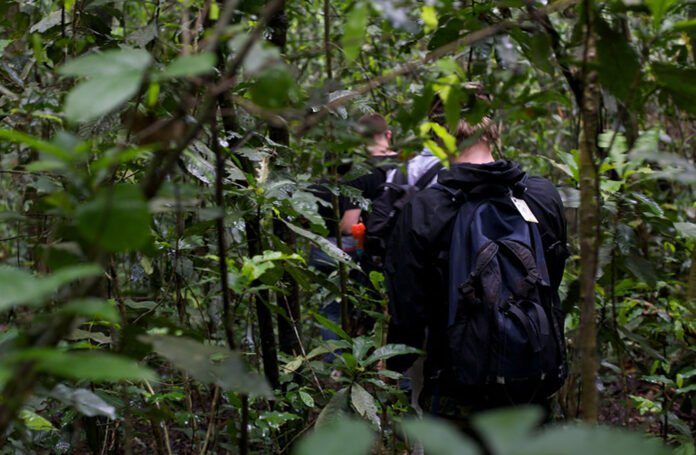
There were 426 chimpanzees in Uganda’s Bwindi Impenetrable National Park last year, the Uganda Wildlife Authority announced Tuesday, a count that experts hope will help conservation efforts.

The state-run Uganda Wildlife Authority conducted the first-ever census of the endangered species there with support from the US-based conservation charity the Jane Goodall Institute in 2025.

The Bwindi Impenetrable National Park is in southwestern Uganda. The park is part of the Bwindi Impenetrable Forest stretches its land marks along the Democratic Republic of the Congo (DRC) border next to the Virunga National Park and on the edge of the Albertine Rift. Composed of 321 square kilometres (124 sq mi) of both montane and lowland forest, it is accessible only on foot. The Impenetrable is a United Nations Educational, Scientific and Cultural Organization-designated World Heritage Site.

The Park  is a home of various species of mammals and bird species ranging in a number of 350 bird species, 27 species of frogs, chameleons, and many endangered species.  The park is among the most diverse forests in East Africa and Africa as well with more than 1,000 flowering plant species, including more than 200 species of trees and world ferns.

Going on a Self-Drive Adventure in Uganda

0
Road Trip Uganda

The self-drive in Uganda is worth undertaking for both first-timers and advanced travelers. Uganda, which Winston Churchill referred to as the Pearl of Africa, demands authenticity. The testimonial one possesses when deciding to assess what this tiny African nation has to offer on the sundown road is one of the happy times. Reflecting on a Uganda self-drive journey is never a smart idea, whether it was your first or subsequent visit to the Pearl of Africa.

Uganda (the Pearl of Africa) is bordered by five nations: Kenya to the east, Tanzania to the south, Rwanda to the southwest, the Democratic Republic of the Congo to the west, and South Sudan to the north.

The best fleets for self-navigation in Uganda

For this incredible experience, a variety of fleets are available to rent. First and foremost, there are a number of car rentals that are designed to provide ideal situations for tourists who choose to self-drive. All of the ships in these fleets are 4×4 cruisers with excellent terrain mobility. These include the safari land cruiser (70 series), which has 5 passengers; the land cruisers TX, VX, V8, and GX; as well as the land cruiser Expands, which has 8 passengers. The Land Rover Defender and the Nissan Patrol, both of which have manual gearboxes, are additional rentals.

Activities for an independent trip to Uganda

Wild Game Drives

The majority of visitors concentrate their attention on wild game drives, which are the most popular tourism activity in the nation. Ten national parks, including three tropical rain forests, two mountain parks, and five savannah parks, are a blessing for Uganda. The five savannahs are home to a wide range of wild animals, including some of the big five, different antelopes, wild dogs, wild cats, different snakes, and vast numbers of birds, among others. All of them point to the ideal pace of travel to the Pearl of Africa.

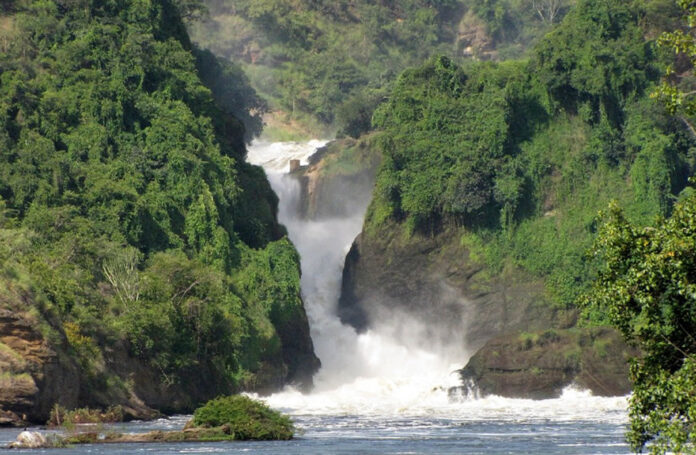
The most well-known park in Uganda, Queen Elizabeth Game Park, is recommended for wild game drives. It is home to hundreds of species, the most eye-catching of which are the tree-climbing lions of the Ishasha sector in the southern portion of the park. The most famous waterfall in the world, and in Uganda, is located in Murchison Falls National Park. The park provides the best opportunities in Uganda for seeing all five of the big five, along with the nearby Ziwa rhino sanctuary.

The best landscape view, which is surrounded by a higher concentration of wildlife, can be found in Kidepo Valley National Park, which is situated in extreme northern Uganda. The area is regarded as the most distant park in Africa. One of the smallest national parks, Lake Mburo provides fantastic adventures, including game drives, boat trips, horseback rides, wild nature walks, and wild quad biking, among others. A higher number of predators, especially leopards, can be found in the park.

Cultural Encounters

With their variety of fauna, waterfalls, magnificent landscapes, and world-record water bodies, the Pearl Sounds also contribute to the country’s valuable population growth. Although the people of the country have different faiths and traditions, they all share the same spirit of friendliness. Ugandans are the friendliest people, and their many cultural customs reflect this. When planning cultural tours of Africa, including Uganda as a stopover is almost always worthwhile.

Some tribes, such as the Karamojongos in the northeast and the Batwa, who largely sound like these people have decided to display their primitive traditions to the world, which is rightly raising their standard of living, still steadfastly adhere to the 18th-century way of life in the twenty-first century. When choosing to explore the pearl on one’s own, one should always think about delving deeply into one of the traditions (or civilizations) or individuals.

Gorilla Tracking

The two mountain gorilla parks of Bwindi Impenetrable Forest and Mgahinga Gorilla National Park are home to nearly half of the world’s mountain gorilla population. This strategically positions Uganda as the ideal location for gorilla trekking, an activity requiring a permit costing US$800 for a single permit to trek the gorillas per day.

The gorilla trekking excursion has gained popularity in Africa and draws attention to the other excursions available there. The most habituated gorilla families are in Uganda, which implies there are more prospects for trekking there each day.

Hiking Opportunities

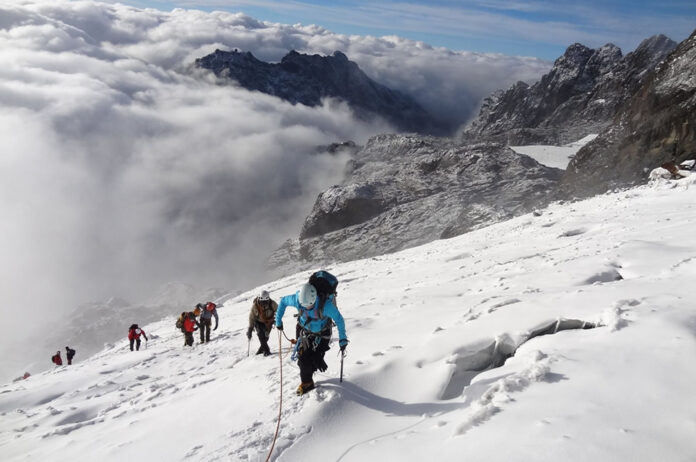
The third and fourth highest points in height among Africans are shown here. Would you rather go on a strenuous hike? The best trekking experience on the African continent has always been on Uganda’s Mt. Rwenzori, particularly to the ice-capped Margherita peak. There are several hiking adventures to be had because of the nation’s wild landscape.

Chimpanzee Tracking

Chimpanzee tracking comes after gorilla trekking. On the African continent, Uganda is the ideal location for chimpanzee tracking. Kibale National Park, Kyambura Gorges, Budongo Forest, and Semuliki National Reserve are the primary locations for chimpanzee tracking. At Kibale National Park, the chimpanzees’ home base in East Africa, where they are fully habituated, trackers have an opportunity to get up close and personal with the primates.

How best to Do a self-navigation to Uganda?

The degree of a trip’s success is assessed at the satisfying point based on the initial impression. Having a stronger wagon 4×4 cruiser that despises the untamed landscapes and underestimated, conditioned highways that are rumored over the nation is one of the conveniences to ease a great self-guided, self-drive, or self-navigation. You got to think over your intended vacation after deciding to take a seat behind the wheel to travel through the pearl of Africa.

The best recommendations for a self-guided tour of Uganda, especially if you want to go on a safari, are to rent a 4×4 safari that has been specially designed to handle all the country’s road obstacles. With the aid of the Nissan Patrol and Land Rovers, the 4×4 land cruisers have been the project’s favorites. Several automobile rental firms offer their vehicles for self-navigation rentals, while certain specially designed safari fleets are not offered for this purpose.

Many people who self-navigate have a tendency to experience the wild in a completely different way. Despite their goal coming true, they decide to focus on what may make their trip more interesting and discover that choosing a self-drive and camping, especially on rooftops, is a special requirement for any self-navigator. Fortunately, the Pearl has a number of safari 4×4 vehicles (rooftop tent vehicles) that are tailored for camping needs.

The Allure of Birding in Uganda, the Pearl of Africa

0
Birding in Uganda

Uganda is a birding paradise, with over 1,000 bird species recorded across the country. From the shoebill stork to the African green broadbill, Uganda has a wide variety of unique bird species that can be found nowhere else in the world. If you’re a birder looking for a self-drive adventure, Uganda is the perfect destination. Here’s what you need to know to plan your own birding trip in Uganda.

Plan Your Itinerary

Before embarking on a self-drive birding trip in Uganda, it’s important to plan your itinerary in advance. Uganda has several birding hotspots, each with its unique bird species and habitats. If you only have a couple of weeks at your disposal, it is recommended to major on one specific region of the country instead of attempting to be everywhere.

You will surely have a better experiencing spending a full week in Bwindi Forest than spending a week covering Queen Elizabeth national park, Kibale Forest as well as Rwenzori National Park.

The main reason you might be visiting Uganda is mainly for the endemic species. But do not try to cover all the endemic species in just a couple of weeks. You might end up frustrated. Rather focus on exploring particular destinations, then use them to inform the list of endemic species you wish to encounter.

For instance, you can focus on Rwenzori mountains national park and exploring the endemic species in that park. The park is known for over 200 bird species but only has a total of 17 endemics. With the list of the 17 Rwenzori endemic bird species, you will have less work searching for target species.

Once you have your list of bird species, you can then proceed to detail them as well as map out their hotspots. By detail, you will be able to find out which bird species are harder to find so that you may committee enough time to searching for them. You will also need to learn their song/call to easily identify them.

There is no much information online about birding in Uganda. You will therefore need the services of a professional birding guide while planning for your trip. Unlike the classic game drive safaris, a professional birding guide will likely charge you some money to help you plan your self-drive birding safari in Uganda.

Rent a 4×4 Vehicle

Most of Uganda’s birding hotspots are located off-road, so it’s essential to rent a 4×4 vehicle that can handle the rough terrain. The weather in Uganda is unpredictable, a big off-road car will make it easy to traverse all your desired birding hotspots in Uganda.

There are several reputable car rental companies in Kampala and Entebbe, and they offer a wide range of 4×4 vehicles suitable for self-drive birding trips. Before renting a car, make sure you have a valid driver’s license.

It is also recommended that you consider a diesel car over a gasoline car because diesel fuel is more readily available around the country than petrol fuel.

Pack the Right Gear

When packing for your self-drive birding trip in Uganda, make sure you bring the right gear. Of course, if you have been on a birding trip before, you already know the packing list for birding however for beginners; a good pair of binoculars is essential for birding, a camera is also important to capture the birds’ beauty, a hat, sunscreen, and insect repellent to protect you from the harsh Ugandan sun and pesky insects.

It is very important to carry tsetse fly repellents as well as anti-malaria medication. These are the main two villains on a Uganda safari. Pain killers and your prescribed allergy medication should also not miss on your packing list.

Ginger snacks and beverages are also very important for food poisoning situations during your trip. You can easily rest at the lodge or in your safari car snacking and sipping on ginger snacks.

Additionally, comfortable walking shoes will ensure you can hike to different birding locations with ease. Snacks often come in handy when travelling in remote areas. Pack some good amounts of water since accessibility to drinking water will not be easy while off road.

A flask is very important when travelling is hot places like Semuliki and northern Uganda. While some people will recommend you to carry a fridge for ice cold water, this kind of water will make you to sweat more and get thirstier. Carrying some warm water or coffee will help your body adjust to the higher temperature.

Book a Local Birding Guide In Advance

Unlike the classic safari game drive guides, birding guides are not very common. You would be lucky to simply drive to the park offices and find a birding guide present. It is therefore recommended that if you have any ideas of hiring a local birding to do it in advance.

However, if the bad comes to the worst, any game ranger can help out but they will not be as effective as the birding guides.

Stick To The Park Rules

As a responsible birder, it’s important to respect the environment and the birds you’re observing. Do not throw stones to force birds to move. Do not make noise to force movement. Simply remain calm and take your time.

Give yourself enough time to transfer from one location to another. Always remember that animals have the right of way in the national parks and the maximum speed is 40km. Therefore do not try to compensate your delay in one area with a road rush to another destination.

Additionally, follow the Leave No Trace principles by packing out all your trash and leaving the birding spots in the same condition as you found them.

Stay Safe

Uganda is a safe country for tourists, but it’s important to take precautions when traveling alone. Avoid traveling at night, and be aware of your surroundings when exploring new areas. It’s also important to follow local customs and traditions to avoid any misunderstandings or cultural faux pas.

It is important to note that some places do not have network reception. Hiring a car with a satellite phone will help you have connection at all times. Always keep in company of the game ranger for your safety.


Visiting Uganda’s Iconic Mountain Gorillas

0
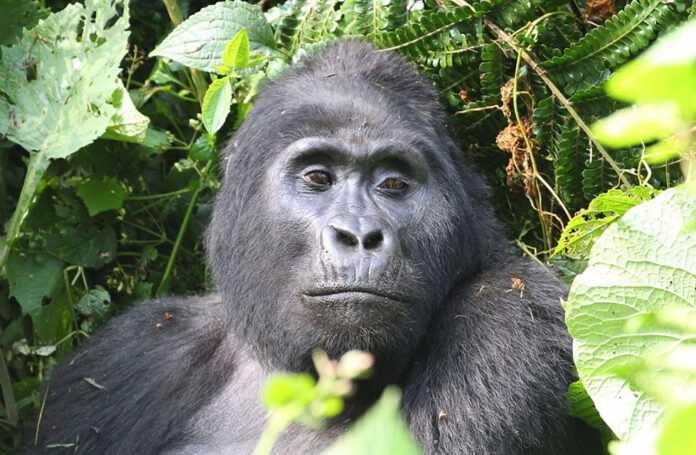
Alpha Mountain Gorilla

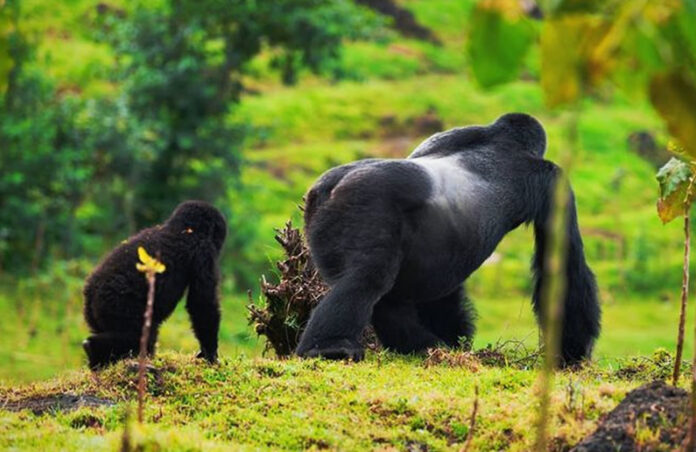
Mountain gorillas are undoubtedly Uganda’s iconic attractions, and trekking through the tropical forest to see them leaves nature lovers thrilled. Today, Uganda is the most sought-after destination, attracting thousands of tourists worldwide who come to enjoy mountain gorilla trekking adventures.

Mountain gorillas are impressive wildlife species and thrive only in their natural habitat. These great apes that are few as about 1000 individuals live in only three countries; Uganda, Rwanda and DR Congo. Booking a gorilla safari in Uganda or Rwanda is one way that you can support conservation efforts and contribute to their population growth.

Where do mountain gorillas live in Uganda (the Pearl of Africa)?

There are only two places to visit to see mountain gorillas in Uganda: Mgahinga Gorilla National Park and Bwindi Impenetrable Forest. Both national parks are situated in the far southwestern region of Uganda and are home to over half of the world’s remaining 1,063 endangered mountain gorillas.

Bwindi Impenetrable National Park (BINP) in Kabale is one of Africa’s dense rain forests, one of the few natural forests on the continent, and it protects the largest population of mountain gorillas. Over 480 of these rare apes survive within Bwindi Impenetrable Forest, sharing the same habitat with several other mammal and bird species.

Bwindi spans southwestern Uganda along the Albertine Rift Valley and is a renowned biodiversity hotspot. Mgahinga Gorilla National Park (MGNP) in Kisoro is set high in the clouds, with a maximum altitude range of 2,227 to 4,127 meters. It features a dense forest where a section of mountain gorillas resides, along with the endangered golden monkeys.

Both Bwindi and Mgahinga were once inhabited by the Batwa pygmies until 1991 when they were displaced. The two protected areas were officially recognized as National Parks in Uganda. The Batwa are most well-known as a hunter-gatherer group, the first people to live in the jungles of Bwindi.

Mgahinga and Bwindi National Park in Uganda feature five sectors where gorilla treks begin early in the morning with a briefing from park officials. They include four sectors in Bwindi – Ruhija, Nkuringo, Rushaga, and Buhoma – while Mgahinga N. Park has the Ntebeko sector.

Gorilla Families to Visit

While on Uganda gorilla safaris, visitors can visit 21 gorilla families that have been habituated for tourism. Twenty of the habituated gorilla families exist in Bwindi National Park and only one exist in the Mgahinga National Park. The number of gorilla families in Uganda has tremendously increased compared to the 1990s when gorilla tourism was still in its infant stage.

Within Bwindi, the gorilla families are dispersed over sectors; Buhoma and Ruhija in the north of the park as well as Rushaga and Nkuringo in the south of the park. It is therefore important when placing your booking to know the location of the available sector since it determines where to stay, the day before the gorilla hike is to be done.

Some of the popular gorilla groups that are visited include Christmas, Oruzongo, Mucunguzi gorilla group, Bikingi, Rwigi, Kutu, Busingye, Mukiza group, Bushaho, Nshongi group, Bitukura group, Mishaya, Bweza, Habinyanja, Mubare, and others.

Gorilla Permits

According to gorilla trekking standards, visitors intending to travel to Uganda to see the iconic mountain gorillas are required to have valid permits that are issued by the Uganda Wildlife Authority (UWA). A gorilla permit costs gorilla trekking in Uganda costs US$800 per person for foreign nonresidents, US$700 for foreign resident tourists living in East Africa, and 300,000 Ugandan shillings for East Africa citizens.

Considering the high demand, tourists are encouraged to book permits well in advance, at least 2-6 months before the actual date of their gorilla visit. Uganda gorilla permits are easier to secure through a reliable tour operator since a large slot has been allocated to them.

How does Uganda gorilla trekking work?

If you plan to go on a Uganda safari that features mountain gorillas, you should consider traveling to Bwindi Impenetrable National Park and Mgahinga Gorilla National Park. By road, be prepared for an 8-10 hour journey from Kampala or a 2-hour domestic flight from the Entebbe International Airport.

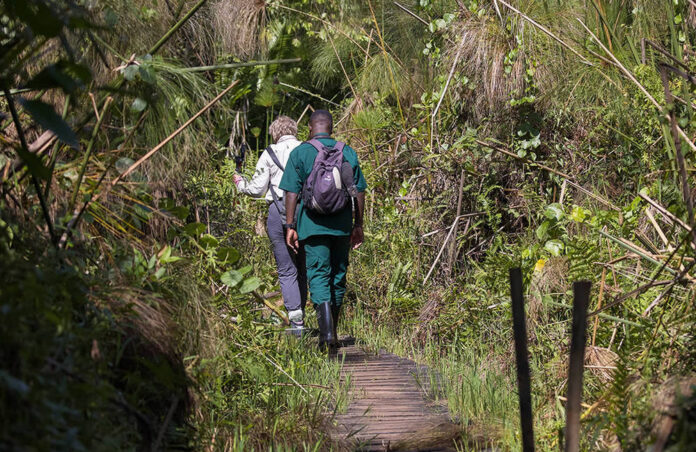
Visiting mountain gorillas involves trekking through tough and simple terrains, dense vegetation, with an experienced guide. The entire adventure is tiresome as it involves navigating through the forest on foot, without predefined paths like during game drives. Therefore, a considerable degree of fitness is needed and expected amongst trekkers. For tourists with special needs, accessibility has been devised and you only need to get in touch with a travel planner to make your dream come true.

How long can a Gorilla Trek take?

Visiting gorillas in the wild can take anywhere from 2 to 6 hours, and the search is conducted with an experienced park guide.

After long hours of trekking through the jungles, there is an opportunity to stay face to face with the mountain gorillas for one hour. This is a special moment for photography and observing the daily behaviors of the gorillas.

For those who are looking to longer time with the great apes, the gorilla habituation experience that gives you up to four hours stay with the gorillas is the best option for you. However, there are very few slots for this activity that comes at a hefty US$1500 per trek.

When to travel to visit Uganda’s unique mountain gorillas?

Uganda is a dream destination for every primate lover. Both parks in Uganda are open to tourists all year round. However, the most ideal time of the year to enjoy gorilla trekking is during the two phases of the dry season: June, July, August, and September. Alternatively, consider planning your gorilla tour around December, January, and February.

These apes can also be visited during the wet or rainy season: March to May and October to November, but these months experience heavy rains. Due to the heavy rains, most travelers tend to avoid them and prefer to travel during the dry seasons/peak months of the year. However, for those that brave the rains, the experience is also more personal since there are fewer tourists and gorilla families are often visited by less than 6 tourists per family.

What to carry

Whether you plan to visit Uganda’s mountain gorillas during the dry or wet season, there are certain must-pack items. These include a waterproof daypack, long-sleeved shirts, cameras, toiletries, insect repellents, long trousers, a sweater, and other essentials.

You are encouraged to carry energy giving snacks during the gorilla trek. A first aid kit is also recommended since the hikes are done in the forest.

If you think the luggage is heavy, you can take use of porters from the briefing point to give you a hand. Hiring a porter is also a great contribution towards increasing local community support in conserving the endangered mountain gorillas as well as other natural resources protected within the parks.

Accommodation

There is plenty of accommodation to choose for your stay within Bwindi and Mgahinga National Park. From budget lodging to ultra luxury, there are several lodges that have been developed close to the gorilla parks. A local operator can help you make a great choice of which option to include in your travel plan.

Where else to find iconic mountain gorillas?

Besides Bwindi and Mgahinga National Parks in Uganda, a section of mountain gorillas also resides in the jungles of Virunga National Park in the D.R. Congo and Volcanoes National Park of Rwanda. With Eastern part of DR Congo being unstable due to on and off political conflicts, Rwanda’s Volcanoes Park remains another great option to Bwindi for those looking to meetups with the mountain gorillas. This historical park that Dian Fossey called home is located in northern Rwanda.

In addition to mountain gorillas, Africa is also home to a significant concentration of western lowland gorillas and Grauer’s gorillas. The Grauer’s/Eastern lowland gorillas in Africa can be found in Kahuzi-Biega National Park in the Democratic Republic of Congo.

Bwindi Gorilla and Chimp Census Commences

0

Uganda has officially commenced a wildlife census targeting mountain gorillas and chimpanzees in Bwindi Impenetrable National Park. The exercise  was launched on May 6, 2025, by Dr. James Musinguzi, Executive Director of Uganda Wildlife Authority (UWA).

The launch took place at the Institute of Tropical Forest Conservation (ITFC) in Ruhija, within the park, a site that has long served as a hub for ecological research and primate monitoring. The census, named the Bwindi–Sarambwe Mountain Gorilla and Inaugural Chimpanzee Census, is a collaborative effort involving a wide array of conservation stakeholders.

Key partners in this initiative include the Rwanda Development Board, the Greater Virunga Transboundary Collaboration (GVTC), the Jane Goodall Institute, WWF Uganda Country Office, Gorilla Doctors, and other international and regional conservation organizations.

During the launch ceremony, Dr. Musinguzi flagged off the first team of researchers, signalling the start of a highly coordinated field operation. The census is the sixth for mountain gorillas, with the first one dating back to 1997. Traditionally held every five years, the exercise scheduled for 2023 was postponed to 2025 due to disruptions caused by the COVID-19 pandemic. The most recent census in 2018 recorded 459 mountain gorillas in the Bwindi Sarambwe ecosystem, reaffirming Uganda’s critical role in the global conservation of this endangered species.

In a regional show of cooperation, Dr. Andrew Seguya, Executive Secretary of the Greater Virunga Transboundary Collaboration, noted that although the census covers the tri-border area of Uganda, Rwanda, and the Democratic Republic of Congo, the process is beginning on the Uganda side. This phased approach allows for a systematic sweep of the gorilla and chimpanzee habitats shared by the three countries.

Over 60 trained personnel, 70% of whom are staff from UWA, are participating in the census. They will use a combination of nest count techniques and genetic analysis, particularly fecal DNA sampling, to identify and count individuals across the forest. The fieldwork will be done in two major sweeps, with the first ending in June 2025 and the second planned for September 2025.

Dr. Musinguzi expressed gratitude to all stakeholders for their continued collaboration, emphasizing the ecological and economic importance of apes to Uganda. “Mountain gorillas and chimpanzees are not just symbols of our rich biodiversity; they are also central to our tourism sector, contributing over 60% of UWA’s internally generated revenue,” he said.

He further reassured partners that UWA is investing heavily in human capacity building and logistical enhancements to reduce threats to the apes, including habitat loss, poaching, and disease transmission.

The exercise is a major step forward in monitoring and conserving Uganda’s primate populations. The results of the census will inform policy, research, and resource allocation, hence strengthening regional and global strategies for primate conservation.

Hire a 4X4 for a Uganda Road Trip

0
Road Trip Uganda

Africa is for nature adventures which is very rare in other continents. So, road trips here remained to be dealt with stronger efforts, these are the 4×4 wheel drive cruiser which are known to afford almost all terrains of driving.

The four wheel vehicle that are perfectly placed to ensure that almost all things goes on wheel. Roads particularly in Uganda, East Africa and across the African continent means a lot concerning which vehicle one should cruise around with especially on road trip safaris. The four wheel cruiser are guarantees to reaching every part of your desired reach.

Considerably, having a 4wd is a guarantee to unlimited cruise throughout the country. Reflecting on various fleets available with the 4WD efforts, these generations are unfailing. However, not all four wheel drive are available for road trips in Uganda. There is a selection of vehicles which are customized and named to be on road particularly for road trip safaris.

Four Wheel Fleets for Road Trips

For the case of Uganda road trips, there is just a selection of vehicles that customized for this purpose. It’s important to understand that for various reasons which are even tested, a certain kind of vehicles are made to offer the road trip experiences. Among these four wheel drive vehicles include; the maiden safari vehicle which is the Rav4, land cruiser series (TX, V8, VX, GX, 70 series, and SX), Nissan patrol, Land Rover defender, 4wd vans and coasters.

Why the Four wheel drive for road trip

By making the 4WD were made reliably to maneuver through the even tough and hard terrain. In the same case these cruiser have been proved and customized to do adventures in the remote African jungles and savannah grasslands. Being paved or unpaved roads, it’s not worrying when seated behind the wheels of the This 4WD. The reasons for taking a 4WD on a road trip safaris are discussed below.

Reliability  

The 4×4 wheel drive car is a reliable vehicle to use in the African unpredictable and unconditioned roads. Series of customized 4WD are made for all terrain mood cruising. The vehicles are made with the 4×4 full-time engagement for more effort at tough circumstances. This describes the reliability of the vehicle that can occupy the bigger percentage and is steadfast on road. It’s on an advantage that many of the Uganda has largely embraced the use of the Japan made models vehicle which makes the repair of the vehicle widely accessed throughout the country.

Sympathetic rates

Obtaining a 4×4 Uganda Car Rental to drive through the country can costs from as low as $50 vehicle per day.  And with varying car rental operators, the rates might vary and negotiations to some extent can be made possible. When opting on the way to spend less on your road trip in Uganda, East Africa and Africa at large can hire one of these mentioned 4wd vehicles.

Customized for adventures

The 4×4 wheel drive vehicles are customized to do adventures. No getting stuck, not expensive, easy to use and can be customized with the pop up for wildlife viewing on the African safaris. They are perfect for wildlife viewing when driving through the African savannah opens, it’s really a great encounter to consider undertaking when seated behind the four wheel drive vehicle.

Easy to Drive

The 4wd are available in either automatic or manual transmission, so, anyone can ask or inquire for which is the best. They are made with an easy to understand dashboard to any driver, as well made in both automotive and manual transmission.

Perfect for Rooftop tent Camping

Some of the four wheel drive cruisers are customized for rooftop tent camping due to their wider top. Rooftop tent camping has become one of the trending travel trail where most of the travelers are summarizing their trip by renting a car and accommodation at ago. The rooftop tent camping has been approved to suggest that none comparable safari encounter sleeping in the middle of the wild whispers. The land cruiser series are great reflections, and when asking for the best rental with a rooftop tents, there are several.

Hired without a driver

Going for a Uganda road trip and feeling to travel like a boss, then it’s okay to hire a car with a driver. However, many of the four wheel drives are available for self-drive road trip. Letting out a vehicle for self-drive has just surfaced in recent decades where companies avail vehicle for hire with or without drivers. For the case of 4x4wd, there are widely available for self-drive (self-service drive) which as well an element in minimizing the cost of trips in Africa.

Easy to handle

Many of the rental vehicles in Uganda are 4wd, the kind of the vehicles used are rare vehicles whose spare is almost spread throughout the country. So, in case of any mechanical breakdown with the vehicles, it’s easier to repair and continue on your road trip.

UWA Translocates Kobs to Ajai Game Reserve

0

Efforts are underway to revitalize the Ajai Game Reserve in Uganda’s northwest, signaling the return of southern white rhinos to their natural habitat in the West Nile region. The Uganda Wildlife Authority (UWA) has initiated the translocation of kobs to Ajai Game Reserve, setting the stage for the eventual reintroduction of the majestic rhinos.

Since 2006, the Ugandan government, in collaboration with UWA, has been diligently working on a breeding program at Ziwa Rhino Sanctuary to bolster the population of southern white rhinos. With their numbers now standing at 35, these rhinos are poised for reintroduction into the wild at Ajai Wildlife Reserve in Madi Okollo district.

The first phase of this endeavor saw the successful arrival of 32 female kobs, with plans to bring a total of 200 to the reserve ahead of the official launch of translocation activities. Additionally, UWA intends to introduce buffaloes and zebras to Ajai to enhance the ecosystem in preparation for the rhinos’ return.

Community engagement remains a cornerstone of this initiative, with ongoing sensitization programs aimed at addressing potential human-wildlife conflicts. Measures such as fencing off grazing areas aim to safeguard the animals from poaching and other threats, ensuring their protection within the reserve.

The restoration of Ajai Game Reserve holds significant promise for Uganda’s tourism, a vital source of foreign exchange. With historical significance dating back to the visit of former US President Franklin D. Roosevelt, the reserve’s rejuvenation is poised to attract tourists to the West Nile region.

Spanning 166 square kilometers in Madi Okollo district, Ajai Game Reserve holds a special place in Uganda’s conservation efforts. Once the natural habitat of white rhinos before their extinction in the wild, it now stands as a beacon of hope for their reintroduction.

Local perspectives on this endeavor are varied yet optimistic. While some express concerns about resettlement and access to resources, others recognize the potential economic benefits and cultural significance. The reintroduction of white rhinos is viewed not only as a national heritage but also as a catalyst for job creation and community development.

Compensation mechanisms for affected communities are being discussed, with a focus on fairness and transparency in valuing lands and livelihoods. Embracing traditional values alongside modern conservation practices remains paramount in ensuring the harmony between humans and wildlife.

As plans unfold for the reintroduction of white rhinos, stakeholders are reminded of the importance of preserving both natural habitats and cultural legacies. Through collaborative efforts and sustainable management, Ajai Game Reserve is poised to reclaim its status as a haven for wildlife and a source of pride for Uganda.

Bodaboda Rider Survived Man Eaters in Queen Elizabeth

0

Following the overall flow of threatening pictures on different social media platforms of a bodaboda rider who slippery lost his bearings in front of the lion’s amidst Queen Elizabeth National Park.

There have been alleged false circulating information that lions starved and eaten the bodaboda rider but according to UWA’s classified report, he survived. He was nevertheless advised by game rangers not to trespass through the perimeters of the park but he therefore insisted and followed the tour vehicles.

Motorcyclist who was carrying excessive bunches of matooke (bananas) lost his bearings, lost control over the motorcycle and found himself down on the ground, he hurriedly ran into hidings behind the tour vans but unfortunately lions were also their relaxed.

However, it’s important to note that wildlife behavior can be unpredictable, and there have been instances in the past where wild animals, including lions, have acted aggressively towards humans in various national parks around the world. Uganda National parks typically have guidelines and safety measures in place to protect both visitors and wildlife.

There is no factual basis to support the claim that lions in the national parks of Uganda, including Queen Elizabeth National Park, eat passengers who trespass. Lions are wild animals and can be dangerous if they feel threatened or cornered, but they do not have a history of specifically targeting trespassers or humans in general as a food source.

Trespassing in such areas is not only dangerous but also illegal. It was by chance that he survived from being eaten by the lions as he finally jumped on the tourist vehicle where the tourists had stopped and taking pictures to the lions.

Attention all trespassers crossing through the territory of the lions in Queen Elizabeth National Park

This is a serious warning to all individuals who dare to venture into the territory of the lions within Queen Elizabeth National Park without an authentic permission from the ground game rangers. These majestic and powerful creatures are wild and territorial animals, and your presence within their domain poses a significant threat to both your safety and the well-being of the lions.

Please take this warning seriously, and let us all play a part in safeguarding the beauty and diversity of not only Queen Elizabeth National Park but the entire parks of Uganda for generations to come.

Environment Conservationists Warn Uganda Over Forest Cover Loss

0
Mabira Forest

Environmental activists have warned that Ugandans will continue to suffer the severe effects of climate change, including prolonged droughts, unless they embrace environmental conservation measure such as tree planting.

Speaking at the end of a climate change run organized by Tree Adoption Uganda (TAU) in Kampala on Sunday, TAU Executive Director Charles Batte said Ugandans should not simply look on as the country continues to lose 120,000 hectares of forest cover annually.

“This is a problem we have identified to start raising awareness on tree growing. Tree planting is something that must be taken serious by all stakeholders,” Batte said.

He revealed that the organization is mobilizing funds to procure and plant 100,000 trees across the country in efforts to restore the country’s lost forest cover.

According to Uganda Forestry Authority (UFA), the country’s forest cover decreased from 54 per cent in 1900 to 12.4 per cent in 2017, meaning that 2.4 million hectares of forest cover were lost during that period.

The NFA Executive Director Tom Obong recently urged Ugandans to practice agroforestry to save the country from losing all its forest cover by 2040 due to unsustainable human activities that include charcoal burning.

On Sunday, forester Flavia Karungi observed that encroachment on forest reserves such as Bodongo and Bugoma has not only affected rainfall patterns but also negatively impacted tourism.

”Nowadays, there is prolonged drought because trees that help in rainfall formation have been cut down. When you cut down the trees, animals run away and wildlife conservation becomes hard which in turn affects the tourism sector,” Karungi explained.

Former Vision Group manager Robert Kabushenga highlighted that if each Ugandan planted a tree, the country’s forest cover would be increased by 45 million trees.

While addressing participants during the launch of the Biodiversity Conservation Commitments in Kampala recently, State Minister for Energy, Sidronius Okaasai said poor regulation of charcoal burning and firewood exploitation have greatly contributed to tree cover loss and biological resources of which 60 per cent (72,000hectares is due to charcoal burning and firewood).

He revealed that the energy needs of over 80 per cent of Ugandans are dependent on biomass which is the burning of renewable energy source generated from burning wood, plants and other organic matter.

But a recent Executive Order by President Museveni headlined as Number 3 of 2023 only imposed a ban on charcoal burning and business in the northern and northeastern Uganda.

Uganda Airlines Makes Its Maiden Pilgrimage Flight to Mecca

0
Uganda Airlines Flight

The Uganda Airlines made their maiden direct flight from Entebbe International Airport to Mecca transporting pilgrims.

The Minister for Works and Transport, Gen. Edward Katumba Wamala, has challenged Ugandans to fully support and use the services of Uganda Airlines after the airline made its maiden pilgrimage flight to the holiest city of Mecca after 40 years.

While flagging off 200 pilgrims at Entebbe International Airport who left for a holy journey to Mecca in Saudi Arabia aboard an Airbus A330, Gen. Katumba noted that most Muslim pilgrims have been going through transit routes.

Katumba said that with Uganda Airlines now available, the pilgrims will be moving directly to Mecca to perform Hajj, one of the pillars of Islam, which must be performed by every financially able Muslim.

“Our Muslims have been finding it difficult to go through transit routes to reach Mecca, but with the availability of Uganda Airlines, this is now sorted out,” said Katumba on Monday.

“Truly, this is a landmark for our country, Uganda, and our Muslim brothers should appreciate this because they will be making direct flights to the holiest city of Mecca,” he added.

He also noted that the national airline will go a long way to tackle the problem of language barriers on the plane, especially among elderly people, since the majority of the passengers on board will be Ugandans.

The third Deputy Prime Minister, Rukia Nakadama Isanga, commended the management of Uganda Airlines for making it possible to fly Ugandan pilgrims to the holiest city of Mecca in Saudi Arabia after 40 years.

“This is a great achievement for our airline to fly our pilgrims to Mecca, and they will arrive in Jeddah, a key Saudi Arabian port city on the Red Sea and a gateway for pilgrimages to Mecca and Medina, respectively. This is the first batch to be transported by the national airline, and it should be supported to put Uganda on the world map. I implore all the pilgrims to behave well while on their holy journey to Mecca,” she emphasized.

The Second Deputy Mufti of the Uganda Muslim Supreme Council, Sheikh Muhamad Waiswa, lauded the management of Uganda Airlines for setting up a deposit scheme to enable low-income Muslims to save money there in preparation for the holy journey to Mecca.

He also commended the Royal Kingdom of Saudi Arabia for its cordial working relationship with the government of Uganda.

The Chief Executive Officer of Uganda Airlines, Jennifer Bamunturaki, noted that the first batch has seen 200 pilgrims depart for Mecca, and the second batch of the remaining 25O pilgrims will travel aboard the national airline tomorrow, Tuesday.

She said the national airline shortens the journey for the pilgrims since they are no longer required to go through intermediary airlines as they have before.

She revealed that the management of Uganda Airlines is working closely with the travel agencies or Hajj bureau services to allow deposits on its behalf from low-income Muslims who wish to perform pilgrimage to Mecca.

The Saudi Arabia Ambassador to Uganda, His Excellence Sheikh Jamal Mohammed Hassan Al-Madani, wished Muslim pilgrims a safe and holy journey to Mecca and back to Uganda.

Sheikh Sulaiman Lubega Guggwa, Uganda’s Deputy Ambassador to Saudi Arabia, asked Ugandans to support the national airline and hailed the management of the airline for the great opportunity to take Ugandan pilgrims to Mecca at a relatively fair cost.

Meanwhile, Makkah-Madinah Hajj Bureau Services boss Sheikh Hussein Muwonge revealed that a total of over 4,000 pilgrims are expected to perform the annual pilgrimage to Mecca.