Uganda has officially commenced a wildlife census targeting mountain gorillas and chimpanzees in Bwindi Impenetrable National Park. The exercise was launched on May 6, 2025, by Dr. James Musinguzi, Executive Director of Uganda Wildlife Authority (UWA).
The launch took place at the Institute of Tropical Forest Conservation (ITFC) in Ruhija, within the park, a site that has long served as a hub for ecological research and primate monitoring. The census, named the Bwindi–Sarambwe Mountain Gorilla and Inaugural Chimpanzee Census, is a collaborative effort involving a wide array of conservation stakeholders.
Key partners in this initiative include the Rwanda Development Board, the Greater Virunga Transboundary Collaboration (GVTC), the Jane Goodall Institute, WWF Uganda Country Office, Gorilla Doctors, and other international and regional conservation organizations.
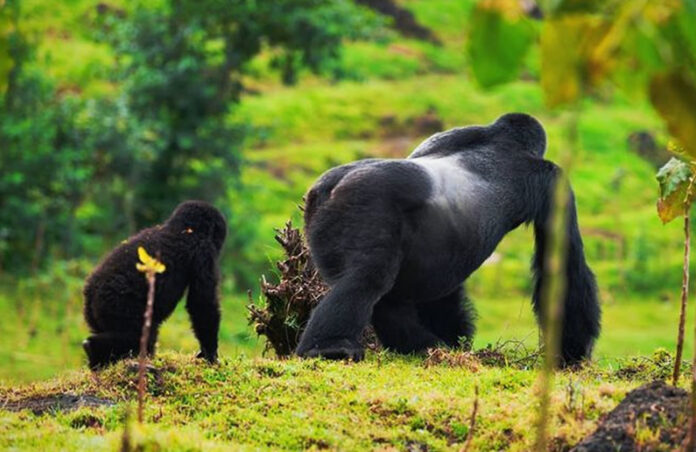
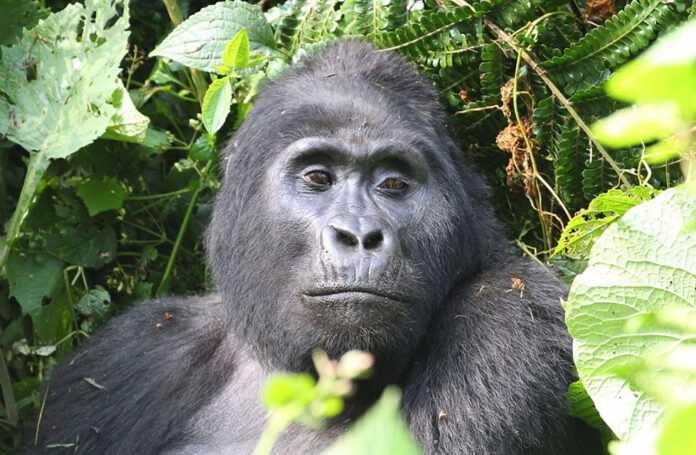
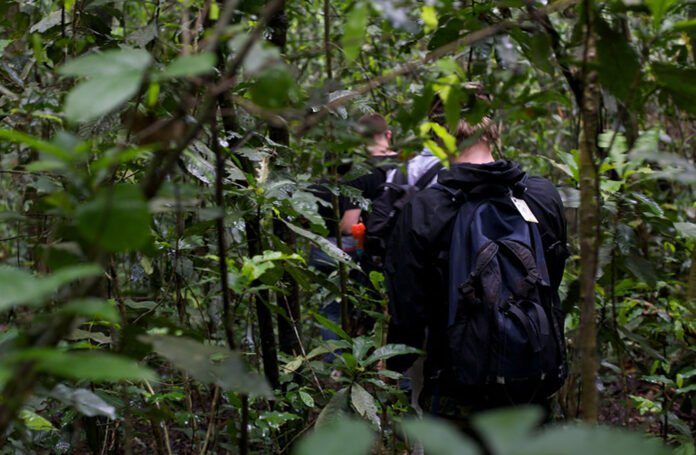
During the launch ceremony, Dr. Musinguzi flagged off the first team of researchers, signalling the start of a highly coordinated field operation. The census is the sixth for mountain gorillas, with the first one dating back to 1997. Traditionally held every five years, the exercise scheduled for 2023 was postponed to 2025 due to disruptions caused by the COVID-19 pandemic. The most recent census in 2018 recorded 459 mountain gorillas in the Bwindi Sarambwe ecosystem, reaffirming Uganda’s critical role in the global conservation of this endangered species.
In a regional show of cooperation, Dr. Andrew Seguya, Executive Secretary of the Greater Virunga Transboundary Collaboration, noted that although the census covers the tri-border area of Uganda, Rwanda, and the Democratic Republic of Congo, the process is beginning on the Uganda side. This phased approach allows for a systematic sweep of the gorilla and chimpanzee habitats shared by the three countries.
Over 60 trained personnel, 70% of whom are staff from UWA, are participating in the census. They will use a combination of nest count techniques and genetic analysis, particularly fecal DNA sampling, to identify and count individuals across the forest. The fieldwork will be done in two major sweeps, with the first ending in June 2025 and the second planned for September 2025.
Dr. Musinguzi expressed gratitude to all stakeholders for their continued collaboration, emphasizing the ecological and economic importance of apes to Uganda. “Mountain gorillas and chimpanzees are not just symbols of our rich biodiversity; they are also central to our tourism sector, contributing over 60% of UWA’s internally generated revenue,” he said.
He further reassured partners that UWA is investing heavily in human capacity building and logistical enhancements to reduce threats to the apes, including habitat loss, poaching, and disease transmission.
The exercise is a major step forward in monitoring and conserving Uganda’s primate populations. The results of the census will inform policy, research, and resource allocation, hence strengthening regional and global strategies for primate conservation.