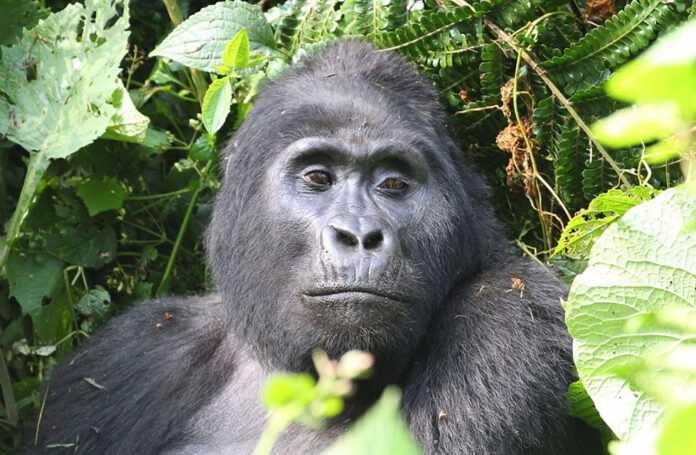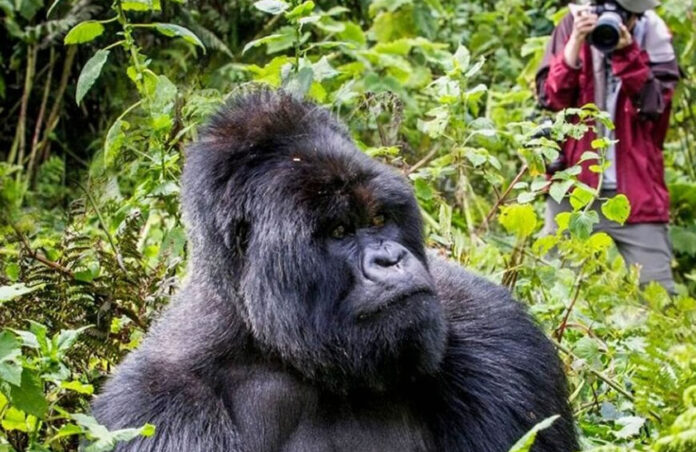
In most cases, if you ask any foreign tourist who has just landed at Entebbe International Airport what his or her reason for visiting Uganda is, the answer will most likely be mountain gorilla trekking.
In fact, mountain gorilla trekking is one of the most popular tour packages offered by most travel firms in Uganda.
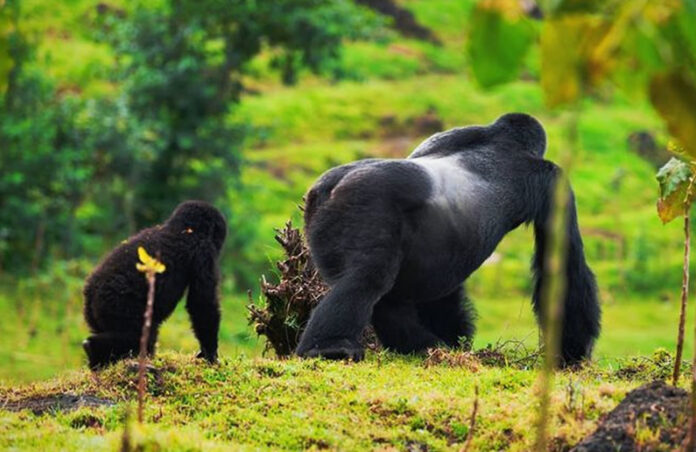
This is because Uganda is known for sheltering more than half of the world’s remaining mountain gorillas – estimated to be numbering about 1,000 individuals – which live in only two other countries: Rwanda and the Democratic Republic of Congo.
Uganda is home to 39 mountain gorilla families. Before you embark on a gorilla trekking expedition, it’s important for you to understand the unique characteristics of these families so that you choose the one that suits your interests.
According to the Uganda Wildlife Authority (UWA), of the 39 families, only 12 are habituated for trekking while the remaining 27 are unaccustomed to human presence. Sometimes different families meet and occasionally severe fights break out, leaving some gorillas badly injured.
A part of the Apes family – and ultimately “monkeys” though docile – gorillas are not known to be unfriendly to humans. Nevertheless, habituation of gorillas in Uganda started in 1991 with the Mubare family and since then 11 more families have been habituated.
It is paramount for one to know these groups in detail – where they live, how they behave, and what to expect if allocated one, or which group to choose when given the opportunity.
However, the question of which gorilla group is best for trekking will always depend on one’s interests as there are no universal standards for measuring good or bad because it all depends on the tourist’s interests such as playing, research, etc.
One may also prefer a group that is closer to the tracking point whereas someone else may prefer the one that is further afield and offers a hiking challenge. On this premise, therefore, allow me to introduce to you some of the most amazing mountain gorilla families in Uganda.
Mubare
This is the oldest group which was habituated in 1991 and got its first official tourists in 1993.
The group was named after Mubare Hills where it was first sighted by UWA rangers. The group started with 12 members under the guidance of a great silverback known as ‘Ruhondeza’, which means ‘the one who oversleeps’. Ruhondeza’s great leadership saw the group size expand to 18 individuals in just a few years but his over-expansionist policy and ambitious character cost him many members in the years that followed.
Habinyanja
This group was first habituated in 1997 and received the first tourists in 1999. The name Habinyanja was derived from a Rukiga word, ‘Nyanja’ which means a ‘water body’. This family got its name from the Swamp in the jungles of Bwindi where the group was first sighted.
Rushegura
The Rushegura family was formed in 2002 when Mwirima and a group of other members parted ways with the Habinyanja group. The group derived its name from the tree species locally known as Ebishegura, which was abundant in the group’s home range. This group will not attack you directly and neither will they clot around a stranger for banana like the others mentioned above because of their sensitivity to threats.
Bitukura
This group was named after River Bitukura which flows through Bwindi forest where the group was first sighted. It was the only gorilla group habituated for tracking in the Ruhija area until when Oruzogo family was habituated and opened for tourism in 2011.
There are few budget accommodations in the Ruhija though one may stay in Buhoma and drive early in the morning for about an hour and a half to track this group.
Mishaya
This group occupies the verdant forests of Rushaga in the southeastern part of Bwindi. The group was named after its silverback founder called Mishaya who broke away from Nshongi group in 2010 with other nine members. The group was officially open for tourism in 2011, hence becoming one of the newest groups for tracking.
Other rear families include Oruzogo, Nshongi, Kahungye, Busingye, Nkuringo, Bweza, Nyakagezi and Kyaguriro. According to the Uganda Wildlife Authority, this list will always be updated as new groups are discovered.