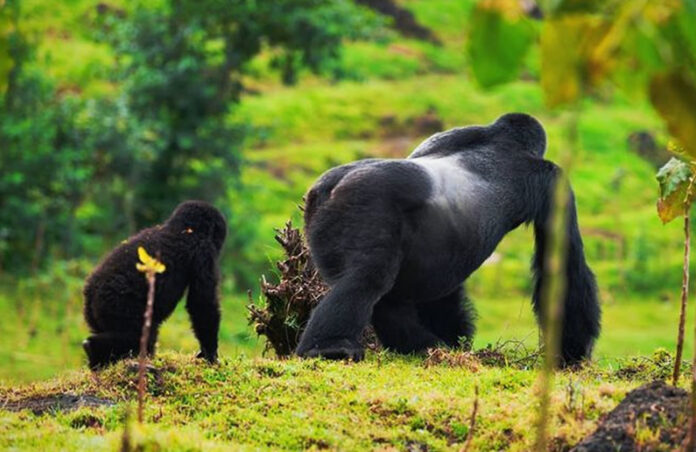
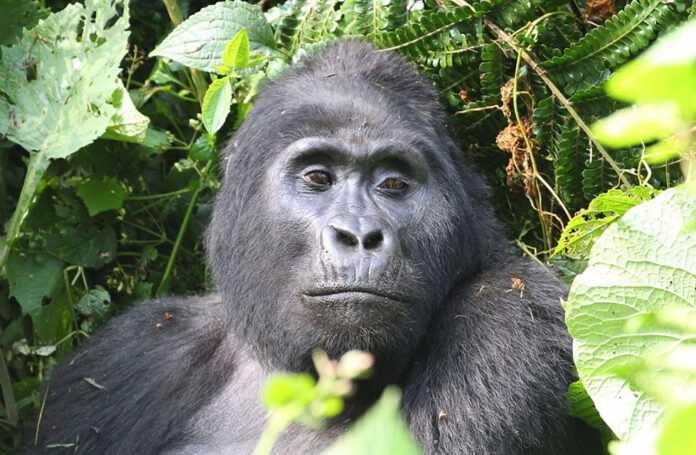
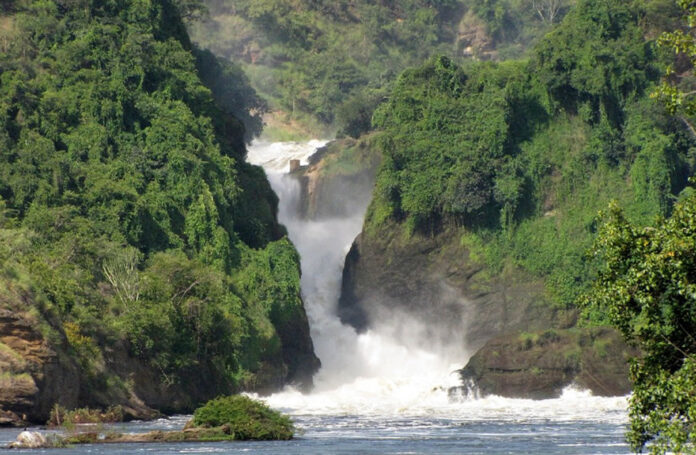
Talking about Uganda tourism triggers considerations about gorilla trekking in Bwindi Impenetrable Forest National, wildlife safaris and the snowcapped Rwenzori Mountains.
But the Uganda tourism ministry is dead set to change this perception by identifying and promoting a variety of tourism products in Eastern part of the country.
“We have good accommodation facilities of distinctive classes to provide food for the travelers,” said the traditional leader Omukuka Wamimbi.
“The favorable climate, a variety of organic foods, mountain climbing, birds and above all else, our culture can make any one have something of interest.”
Adding that, “The alternating imbalu (circumcision function) if promoted can turn into a great tourist attraction.”
This activated support of his idea such that it should be branded the Bugishu carnival.
“What with the enticing kadodi gyrations, jogging and dancing from village to village,” contended a tour operator John Kiddu. “If Kadodi is coupled with drinks and snacks it has the possibility to defeat either the yearly goat’s race or the MTN marathon.”
Dr. Bintora K Adonia kept tabs on the business parts of tourism on a wider viewpoint saying its contribution to the GDP growth was 3% in 2013.
“On a sad note,” stressed on Dr. Bintora. “After fetching $6.6 trillion and creating several employments, the infrastructure to most tourist destinations is still wanting. Visitors with busy schedules squander a lot of time in travel. A trip to Kidepo Valley National Park takes at about eight hours”
Over and over Uganda Tour Operators Association has urged government to reduce taxes on aviation services if the air travel facilities are to be exploited to capacity.
“Entebbe International Airport services are viewed as the most expensive in the Great Lakes Region,” says Uganda Tourist Association president Herbert Byaruhanga.
“If reduced we would capably compete our counterparts in the time it takes a visitor to see a mountain gorilla or the Big Five.”
“There are several bird species which are only found on the Elgon Mountain ranges,” said the traditional leader of the Bagishu Omukuka.
“The time it now, time Mbale stops to be the base for expeditions to Kidepo Valley National Park. This is such a flourishing town with lots of interesting tourist activity. It enjoys a cool weather and a surrounding scene being located at the base of Mount Elgon.”
“The east is a jewel waiting to be cleaned for it to sparkle,” boasted Omukuka.
“For a start there is the panoramic perspective of Mount Elgon. At that point there is the challenge of climbing it to the highest peak where there is a caldera.
On top of that is the circumcision season which happens in rotating years.”
The workshop members were stunned to be told that there are guests from abroad who are tired of the bright lights attractions in big cities and might love to come and real life in eastern Uganda.
“This is the thing that we call Stay in Cultural Tourism,” said Lyazi Vivian from the Uganda Tourism Ministry.
“These people need to perceive how coffee beans are picked from a tree, dried and ground into a beverage they treasure on their dinning tables.
And they will pay between $10-$30 for every person for every day they spend in your home. The conditions being availability of hygienic surrounding and safety guarantee.”
He said it has been guided in Bombo where the Nubian homes tell their visitors their history and sell them crafts.
The symposium left the participant pregnant with desire to exploit existing tourism chances in their middle.
“You don’t need to be a tycoon to harvest the fruits of tourism,” confided John Gidudu.
“I am going to be a tour guide. I know the historical backdrop of this place like the back of my hand. I didn’t know this is a product I can sell!”
Counting the tourist attractions on the Eastern Uganda itinerary started with; The Source of The Nile, Mabira Forest in Busoga, Mount Elgon in Mbale, Nyero Rock Paintings in Teso and Kidepo Valley National Park in Karamoja.
“There is value for money in eastern Uganda,” sums up UWA executive director Dr. Andrew Seguya. “Kidepo Valley National Park gives you a picture of what Africa was before modernization cropped in our midst.”