UGANDA’S number one tourist destination is the Gorilla Land -located on the border of Rwanda in the remote south-west. There is a remarkable diversity of life in the national parks of Mgahinga and Bwindi Impenetrable Forest, where the regional landscape is varied and dramatic. Yet in spite of the long list of species here;
A source of wonder to zoologist and botanists
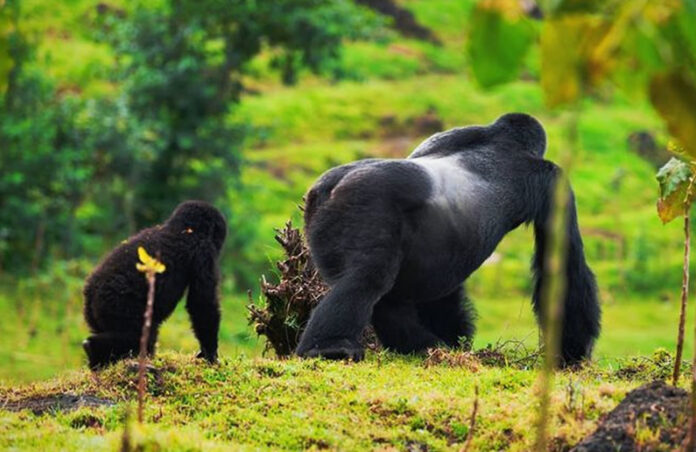
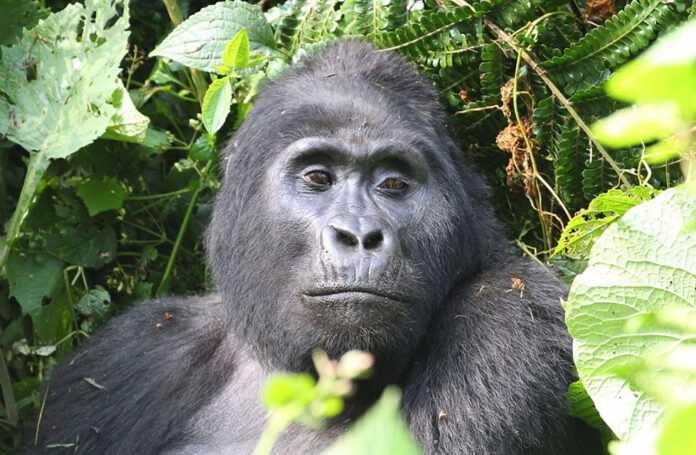
The mountain gorilla is the star attraction. Today, there are about 1000 individuals of this endangered primate left in the whole world. These endangered great apes live only in the forests of the Virunga Volcanoes and Bwindi. Nearly half of the mountain gorilas live in Bwindi. Of these great apes that live in the Virunga Volcanoes, Uganda hosts two gorilla families in the Mgahinga National Park (the Ugandan slopes of the Virunga). Therefore the mountain gorilla Country of Uganda is the destination of choice for those hoping to catch a glimpse of these magnificent animals.
Tracking the mountain gorilla is one of the most remarkable as well as exclusive wildlife experiences anywhere. There are strict limits on access in order disturb them as little as possible.
Only eight people may track each of the habituated gorilla group each day, while viewing time is limited to one hour. Most visitors agree there is a special quality about these encounters. The gorillas is one of our closest relatives and there is often a profoundly moving sense of connection-obviously intelligent and physically impressive, with a typical silverback weighing more than 200 kg (450 Ib).
A key aspect of gorilla tracking is that it helps to fund the continued survival of these rare animals in their natural habitats.
The Impenetrable Bwindi Forest
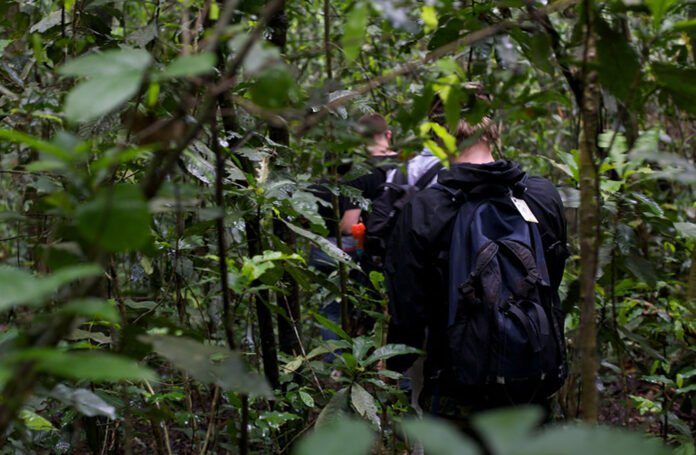
The Impenetrable Forest is aptly named and visitors must be reasonably fit to take part in the adventure. The habitant of the gorilla is characterized by dense, tangled vegetation in a montane landscape of deep valleys and steep ridges. A recent addition to Bwindi’s list of activities-longer and less predictable than normal tracking -is the Gorilla Habituation Experience, in which visitors can spend the day with teams habituating new gorilla groups to the presence of humans.
Is Gorilla trekking worth the money?
- The experience is exciting
The majority of animals often fall into one of two groups, those that flee from people and those that will bite people who are unlucky enough to be in the wrong place at the wrong moment. However, gorillas are generally peaceful animals and would only attack people if they were seriously threatened. You will be able to enjoy the uncommon experience of viewing Gorillas.
- You are directly supporting conservation efforts
The endangered mountain gorilla is most at risk from habitat destruction due to the expansion of densely populated areas on the periphery of national parks and people’s desire to profit from logging and agriculture. The principal source of funding for their ongoing conservation is the revenue from gorilla trekking.
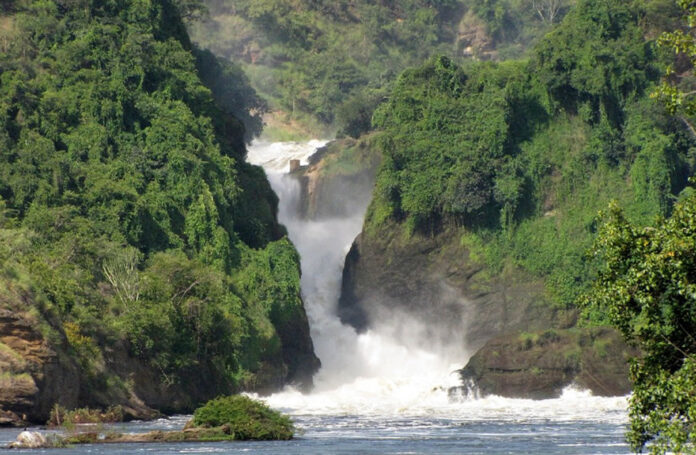
- The scenery is spectacular
A day of gorilla trekking entails several hours of strenuous travel in mountainous terrain with low humidity and thick forest. The difficulties of trekking here, though, are part of what make it such a rewarding trip, provided you have a base level of fitness.
- Stunning Bwindi’s Flora and Fauna
There are other more wildlife besides mountain gorillas, there are monkeys, birds, which hang on the trees of the bamboo forest regions. Bwindi Impenetrable National Park is home to an impressive list of species with 200 different trees, 350 birds, 310 butterflies, 88 moths, 51 reptiles and 120 mammals including primates such as chimpanzees, black-and-white colobus, blue monkey, grey-cheeked mangabey, L’Hoest’s monkey and, of course the mountain gorilla.
Bwindi is also a key destination for birdwatchers, one of the best in the country, with 350 bird types including many endemic Albertine Rift species Community Walks, outside the forest, give an insight into the lives of the Bakiga people Forest with a Batwa pygmy guide to learn more about the hunter-gathering traditions of Uganda’s oldest extant tribe.
The Gorilla Trek
Gorilla trekking is a unique and thrilling wildlife experience that involves tracking and observing wild mountain gorillas in their natural habitat.
The main objective of gorilla trekking is to provide tourists with an opportunity to encounter these magnificent and critically endangered creatures up close while minimizing any negative impacts on their natural environment. The activity is heavily regulated and managed to ensure the safety and well-being of both the gorillas and the visitors.
Here’s how the gorilla trekking experience typically works:
Permits: Before embarking on a gorilla trek, visitors must obtain a permit issued by the respective country’s wildlife authorities. These permits are limited in number to help control the number of visitors and limit the disturbance to gorilla families.
Briefing: On the day of the trek, participants attend a pre-trek briefing where they receive guidelines on how to behave during the encounter, how to minimize the risk of disease transmission to gorillas, and other important safety and conservation considerations.
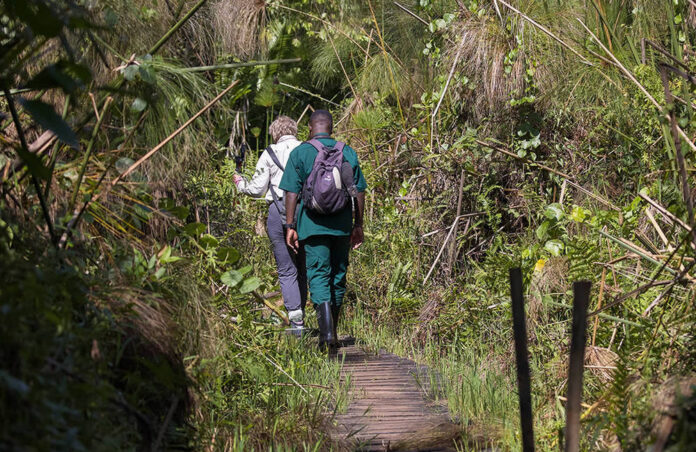
Trekking: Groups of trekkers, accompanied by experienced guides and sometimes armed park rangers, set out into the gorilla habitat. The treks can vary in duration and difficulty, depending on the location of the gorilla families.
Gorilla Encounter: Once the gorilla group is located, visitors spend a limited amount of time (usually around one hour) observing and quietly enjoying the gorillas from a safe distance. The guides provide information about the gorillas and their behavior while ensuring that the animals are not disturbed.
In conclusion, gorillas play vital roles in both their natural ecosystems and human understanding, showcasing a remarkable blend of uses, family dynamics, and uniqueness. As majestic creatures, gorillas contribute to biodiversity by shaping their habitat and promoting plant growth through their feeding habits. Their intricate family structures and social interactions provide valuable insights into the complexities of animal behavior, offering researchers and conservationists invaluable lessons for studying and protecting other species.